

Skyroot's Vikram-1 Marks Milestone for India's Private Space Industry
World 03:03 PM - 2026-07-18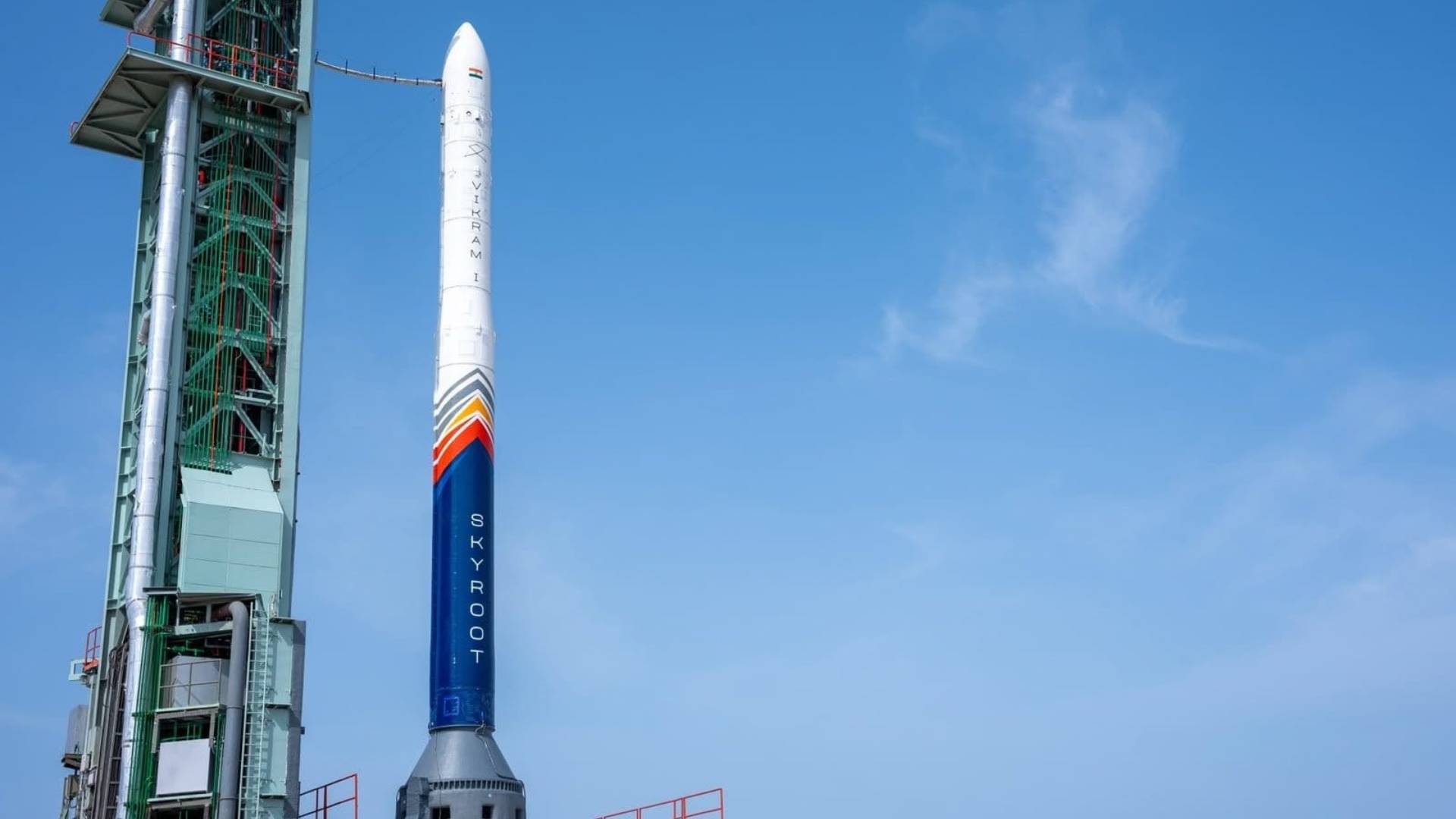 DD India
Vikram-1 rocket.
India's Skyroot Aerospace successfully launched the country's first privately developed orbital rocket on Saturday, marking a significant milestone in the nation's efforts to secure a larger share of the global commercial space launch market.
The Vikram-1 rocket lifted off from the Satish Dhawan Space Centre in Sriharikota at 0635 GMT, leaving a trail of fire and smoke as it began its maiden orbital mission, known as Mission Aagaman. The launch vehicle carried several commercial payloads and in-orbit experiments.
Approximately 15 minutes after lift-off, the rocket successfully deployed its payload into a 450-kilometre low-Earth orbit, making India the third country to achieve orbital launch capability through a privately developed launch vehicle.
The mission had originally been scheduled for 0600 GMT but was briefly delayed before launch controllers gave the go-ahead for lift-off.
The successful mission represents a major step forward for India's rapidly expanding private space sector and underscores the country's ambition to become a leading player in the global commercial launch industry.
The mission is intended to validate the rocket's propulsion, avionics, telemetry, guidance, navigation and control systems in flight while collecting data for future commercial launches, Skyroot said.
"Mission Aagaman is a grand success," the company said in a statement. "This is a test flight. We will be doing a few of these before we move into routine commercial flights," it added.
Founded in 2018, Skyroot is among a new generation of Indian space startups that have attracted backing from global investors following the sector's liberalisation.
India's rapidly expanding private space sector has reached another milestone with the launch of the Vikram-1 rocket, as the country's first billion-dollar space startup seeks to strengthen its position in the increasingly competitive global satellite launch market.
The company became India's first space-sector business to achieve a valuation of more than $1 billion earlier this year, reflecting growing investor confidence in the country's commercial space industry.
The mission comes at a time of intensifying competition in the global small satellite launch market, where emerging companies are challenging established operators led by Elon Musk's SpaceX. Governments across Europe and Asia have also increased support for domestic launch providers in an effort to secure independent access to space as both commercial and defence demand continues to rise.
Standing approximately 22 metres (72 feet) tall, the Vikram-1 launch vehicle is capable of carrying payloads of up to 350 kilograms into low-Earth orbit. It features three solid-fuel stages and a liquid-fuel orbital adjustment module powered by a 3D-printed engine, technologies the company says are being used in an Indian launch vehicle for the first time.
The rocket is carrying a range of experimental and commercial payloads from Indian and international organisations, including technology demonstration satellites and in-orbit research experiments.
The mission follows the company's successful Vikram-S flight in 2022, which became the first privately developed rocket to reach space from Indian territory during a suborbital mission.
India opened its space sector to private investment in 2020, allowing startups to develop rockets, satellites and launch services—activities that had previously been carried out almost exclusively by the Indian Space Research Organisation (ISRO).
The Indian government aims to expand the country's share of the global space economy to $44 billion by 2033, up from around $8 billion today, with private companies expected to play a central role in strengthening India's competitiveness against established space powers in the United States, Europe and China.
Source: Reuters
PUKMEDIA
More news
-
Two U.S. Troops Killed and One Missing in Jordan Following Iran Attack
09:01 PM - 2026-07-18 -
Hungarian President Signs Law Ending His Term in Office
08:16 PM - 2026-07-18 -
Germany Raises Security Alert to ‘High Threat Level’, Interior Minister Says
08:10 PM - 2026-07-18 -
Smoke, Wildfires and Floods: U.S. Faces Triple Summer Weather Threat
06:21 PM - 2026-07-18
see more

P.U.K 08:47 PM - 2026-07-18 PUK President: Safety of Our People is a Boundary that Cannot Be Crossed

Iraqi President Rejects Attacks on Erbil and Sulaymaniyah, Reaffirms Sovereignty
04:51 PM - 2026-07-18
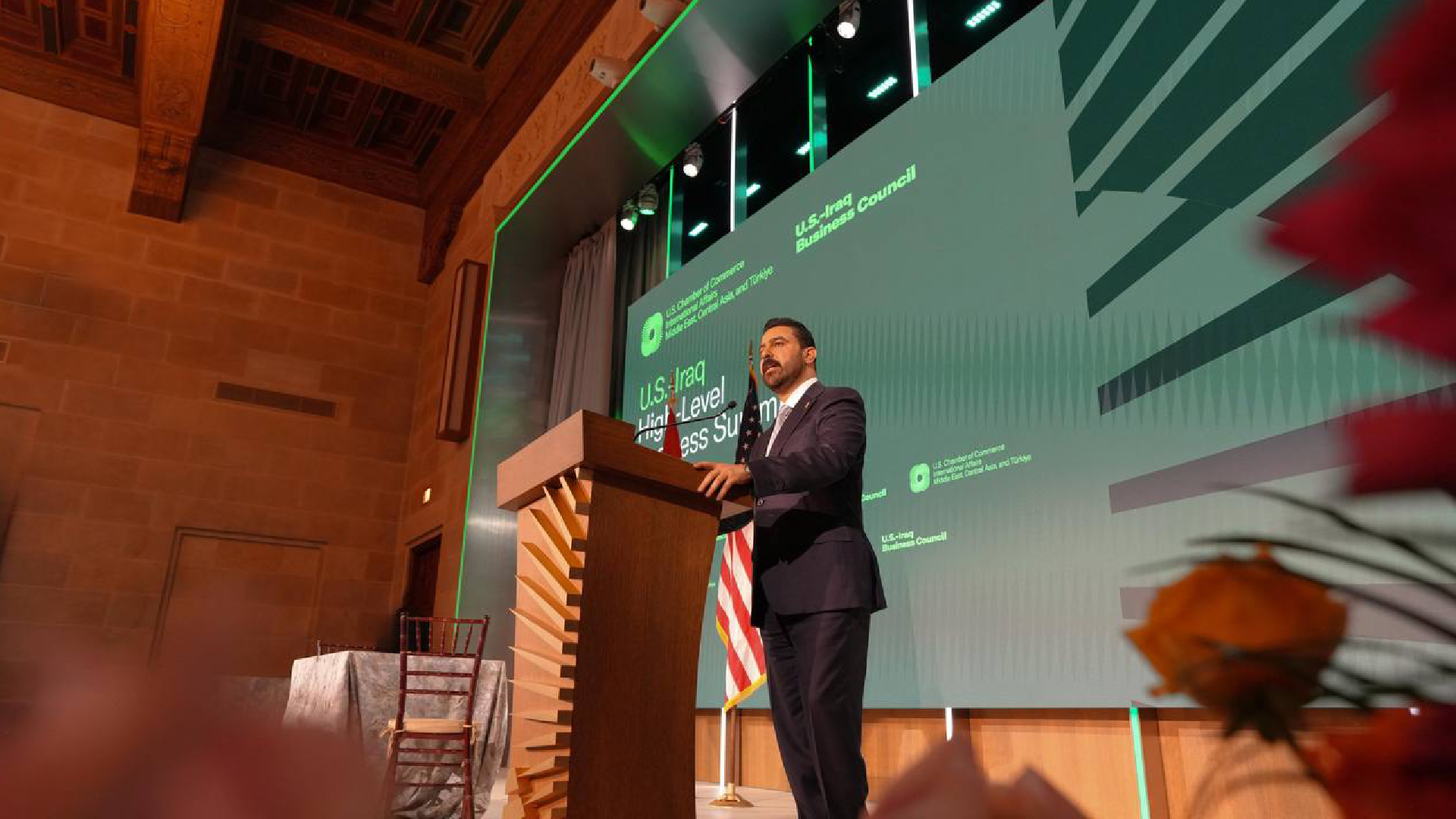
Iraqi PM Hails Banking Reform Deal with U.S. Treasury as Major Step Towards Global Integration
01:29 PM - 2026-07-18
.jpg)
Western Oil Companies Hail Iraq's ‘Fantastic’ Investment Prospects as Deals Signed
10:49 AM - 2026-07-18
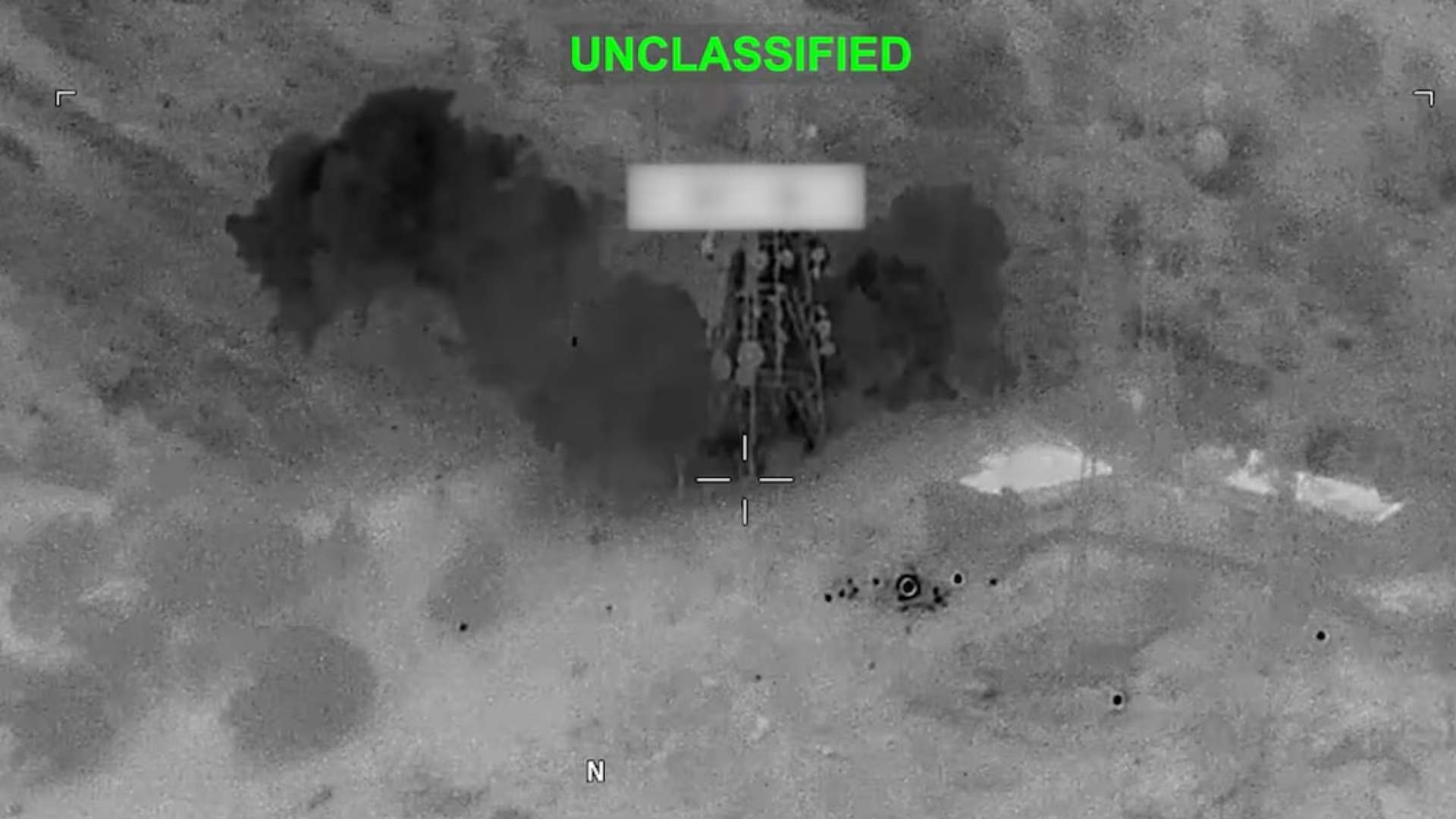
Iran Launches Fresh Assaults on Gulf States After Another Wave of U.S. Strikes
09:09 AM - 2026-07-18
Most read
-
Sulaymaniyah Governor Condemns Attacks on City and Kurdistan Region
Kurdistan 09:53 PM - 2026-07-17 -
Western Oil Companies Hail Iraq's ‘Fantastic’ Investment Prospects as Deals Signed
Iraq 10:49 AM - 2026-07-18 -
Iraqi PM Hails Banking Reform Deal with U.S. Treasury as Major Step Towards Global Integration
Iraq 01:29 PM - 2026-07-18 -
Kurdistan Journalists Syndicate Issues Media Guidelines Amid Regional Escalation
Kurdistan 12:29 AM - 2026-07-18 -
Ukrainians Protestors Demand Army Chief's Replacement
World 11:54 AM - 2026-07-18 -
Skyroot's Vikram-1 Marks Milestone for India's Private Space Industry
World 03:03 PM - 2026-07-18 -
Iran Launches Fresh Assaults on Gulf States After Another Wave of U.S. Strikes
World 09:09 AM - 2026-07-18 -
PUK President: Safety of Our People is a Boundary that Cannot Be Crossed
P.U.K 08:47 PM - 2026-07-18
The News in your pocket
Download
 Application