
Qubad Talabani: Iraq’s Strategic Position Gives It Strong Global Leverage
Kurdistan 10:46 PM - 2026-05-13.jpg) PUKMEDIA
PUKMEDIA
Qubad Talabani during a conference held by Atlantic Council in Washington.
Deputy Prime Minister of the Kurdistan Region Qubad Talabani participated in the 2026 Iraq Initiative hosted by the Atlantic Council in Washington, where Iraqi and international officials gathered to discuss regional developments, political stability, and the future of Iraq’s relations with the United States.
Qubad Talabani said Iraq’s geographic position and diverse relationships can either be viewed as a challenge or as a major strategic advantage, depending on how the country chooses to approach it. He noted that recent regional conflicts demonstrated both sides of this reality, as Iraq faced pressure from various countries while Kurdish leaders simultaneously played an important behind-the-scenes role in negotiation and de-escalation due to their ability to communicate with multiple actors. He stressed that few countries are in a position like Iraq, where powers from both the East and West — including regional states, Europe, the United States, China and Russia — all seek strong relations with Baghdad. According to him, if Iraq acts strategically, it should maintain balanced and constructive relations with all sides.
Qubad Talabani said the recent war had a severe negative impact on the Kurdistan Region, affecting not only security but also the economy through disrupted trade and the suspension of oil exports. He noted that the economic consequences were significant for both the Kurdistan Region and Iraq. Despite the challenges, he said the Kurdistan Region was able to use its strategic position and diplomatic relations to maintain communication with Iran, Türkiye, Baghdad, the United States, the United Kingdom, France and other international actors throughout the conflict. He stressed that the Kurdistan Region remained transparent with all sides and maintained a neutral stance, emphasising that the war was harmful to both Iraq and Kurdistan.
Qubad Talabani expressed hope that the ceasefire between the United States and Iran would hold and lead to a lasting agreement, saying such stability would benefit the new Iraqi government currently being formed and provide an opportunity to address longstanding internal issues. He added that while Iraq’s internal political dynamics are complex, the state ultimately bears responsibility for dealing with groups acting outside its authority. He said Iraq now has an opportunity to adopt a more strategic approach to its regional position, arguing that the country has no need for conflict with its neighbours and should instead focus on trade, energy cooperation, development projects and broader economic growth. He also called for moving beyond ideological divisions that have shaped the region for generations.
Qubad Talabani said he does not believe a failed Iraq would lead to a successful Kurdistan, stressing that a strong Iraq is good for the Kurdistan Region and its economy. He said a strong Iraq does not exclude Kurdistan, but rather includes it, adding that the Kurdistan Region can help strengthen Iraq by participating in strategic decision-making.
Qubad Talabani said the Patriotic Union of Kurdistan (PUK) has made a strategic decision to remain actively involved in Baghdad rather than standing outside the political system. He said relations with Baghdad had too often been approached in a transactional way in the past and that this approach had not worked over the last 10 to 15 years.
He stressed that Kurds need to be present in Baghdad when key national decisions are made in order to help guide the direction of the country. He noted that PUK President Bafel Jalal Talabani is currently in Baghdad because that is where the country’s future direction is being decided. Qubad Talabani reiterated that he strongly disagrees with the idea that a weak Baghdad would mean a strong Kurdistan.
Talabani said that Iraq is witnessing the emergence of a new leadership that is younger, more cross-ethnic and cross-sectarian, and engaged in deeper discussions about the future of the country. He said these discussions include Iraq’s relations with the West and Iran, as well as the issue of militias, describing them as serious, advanced, and giving a more optimistic outlook on how Iraq will manage these relationships going forward. He expressed the view that Iraq will see more independence in the next government.
On Iraq–US relations, Qubad Talabani said people often compare the current situation to the Bush era, when Iraq was the number one US national security priority and there were weekly high-level communications between US and Iraqi leaders. He said that anything less than that level is often wrongly interpreted as a decline in the relationship. He stated that he has not seen a drop in US engagement with Iraq in recent years.
He pointed to continued engagement through diplomatic channels, including US and UK officials, and said Iraq’s relationship with the United States is now a normal state-to-state relationship conducted through formal institutions, including a large embassy with multiple economic, legal, and security components.
He said key elements of the relationship have remained consistent, particularly security cooperation, which he said is as strong as ever, along with growing interest in economic opportunities including oil, gas, energy, and potential minerals.
He added that Iraq’s relationship with the United States should not be measured by whether there is a single senior figure responsible for the portfolio, but rather by the ongoing engagement across all levels.
Talabani also said Iraq’s next government will have many issues on its agenda, including domestic, regional, and international challenges, and expressed optimism that despite the chaos, the country will move forward.
Concluding his statement, Talabani said there is a changing of the guard underway in Iraq, with a new generation of younger, more cross-sectarian leaders emerging who are engaging differently from the old guard, while still respecting it.
PUKMEDIA Exclusive
More news
-
Argentina and Spain Battle for Football's Biggest Prize
01:25 PM - 2026-07-19 -
Lebanese President to Meet U.S. President at White House
10:51 AM - 2026-07-19 -
Darbaz Kosrat Rasul: Unity Is Key to Overcoming Political Challenges
10:59 PM - 2026-07-18 -
Two U.S. Troops Killed and One Missing in Jordan Following Iran Attack
09:01 PM - 2026-07-18
see more
Kurdistan 11:35 AM - 2026-07-19 Report Records 36 Violations Against Journalists in Kurdistan Region During First Half of 2026
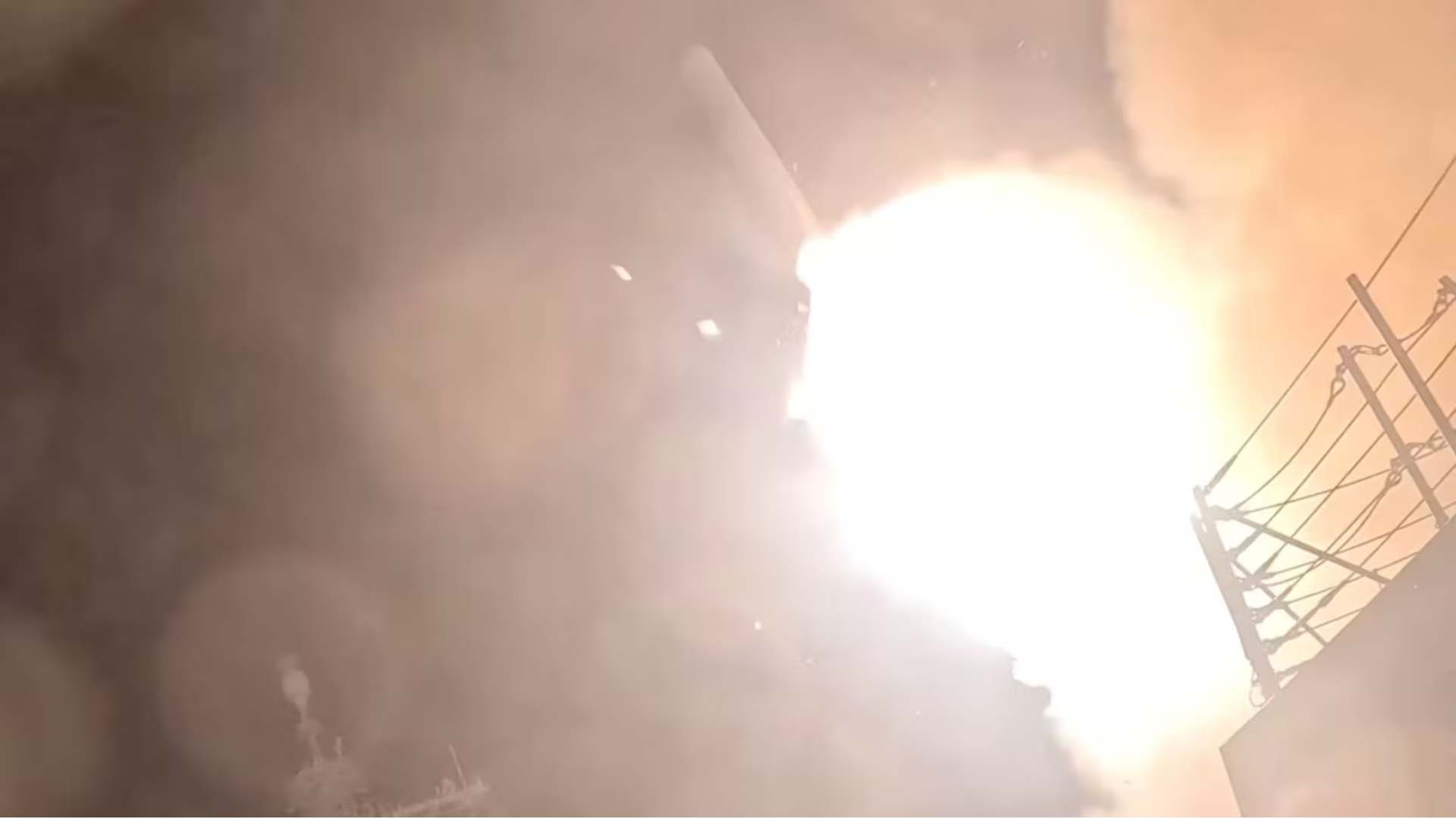
U.S. Renews Strikes on Iran After Two Military Personnel Killed in Iranian Attack
09:20 AM - 2026-07-19
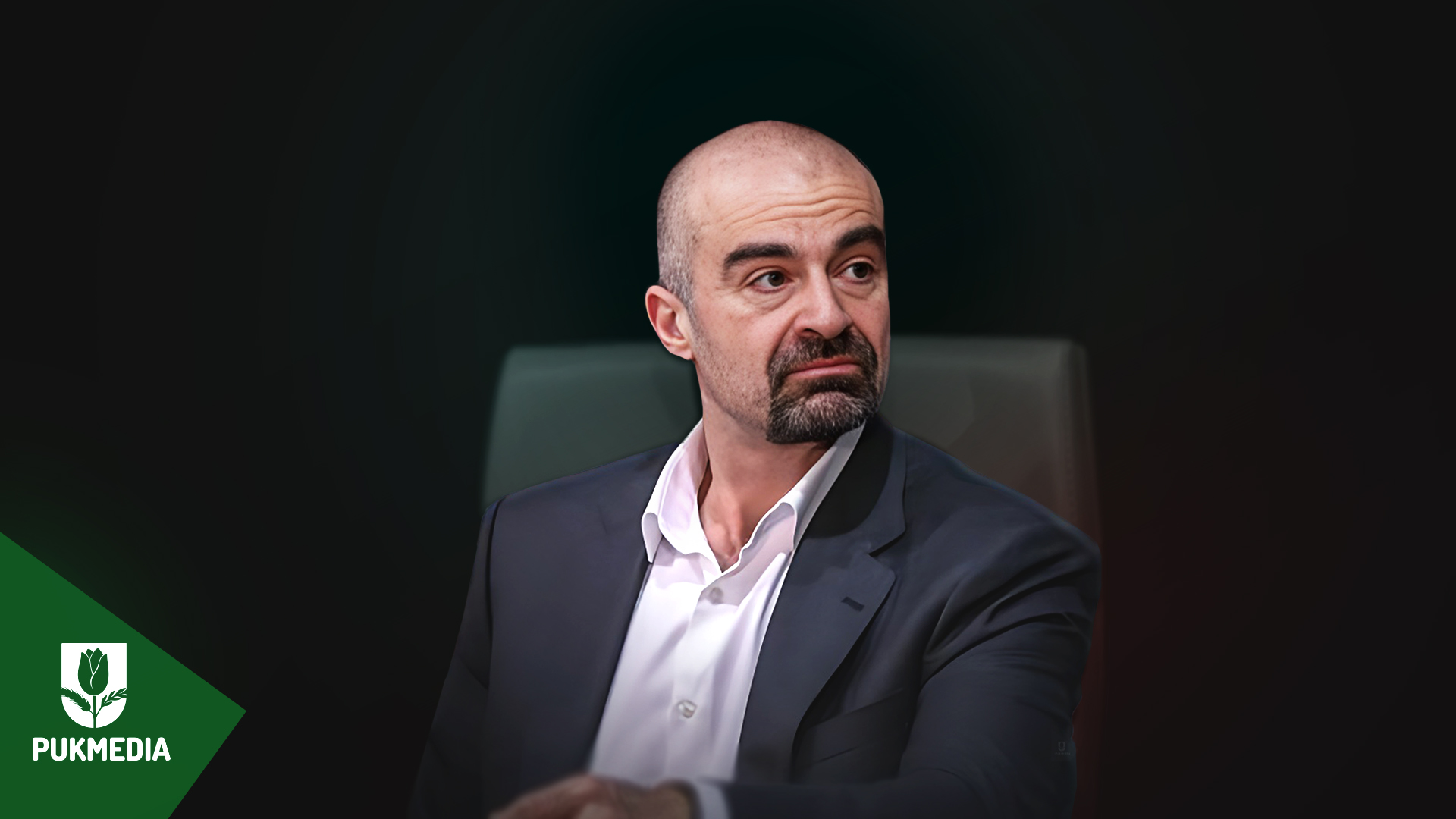
PUK President: Safety of Our People is a Boundary that Cannot Be Crossed
08:47 PM - 2026-07-18
Iraqi President Rejects Attacks on Erbil and Sulaymaniyah, Reaffirms Sovereignty
04:51 PM - 2026-07-18
Most read
-
Skyroot's Vikram-1 Marks Milestone for India's Private Space Industry
World 03:03 PM - 2026-07-18 -
Iraqi PM Hails Banking Reform Deal with U.S. Treasury as Major Step Towards Global Integration
Iraq 01:29 PM - 2026-07-18 -
PUK President: Safety of Our People is a Boundary that Cannot Be Crossed
P.U.K 08:47 PM - 2026-07-18 -
Iraqi President Rejects Attacks on Erbil and Sulaymaniyah, Reaffirms Sovereignty
Iraq 04:51 PM - 2026-07-18 -
Hungarian President Signs Law Ending His Term in Office
World 08:16 PM - 2026-07-18 -
Darbaz Kosrat Rasul: Unity Is Key to Overcoming Political Challenges
P.U.K 10:59 PM - 2026-07-18 -
Two U.S. Troops Killed and One Missing in Jordan Following Iran Attack
World 09:01 PM - 2026-07-18 -
Smoke, Wildfires and Floods: U.S. Faces Triple Summer Weather Threat
World 06:21 PM - 2026-07-18
The News in your pocket
Download
 Application