

OPEC+ Agrees Third Oil Output Quota Increase Since Strait of Hormuz Closure
Economy 04:49 PM - 2026-05-03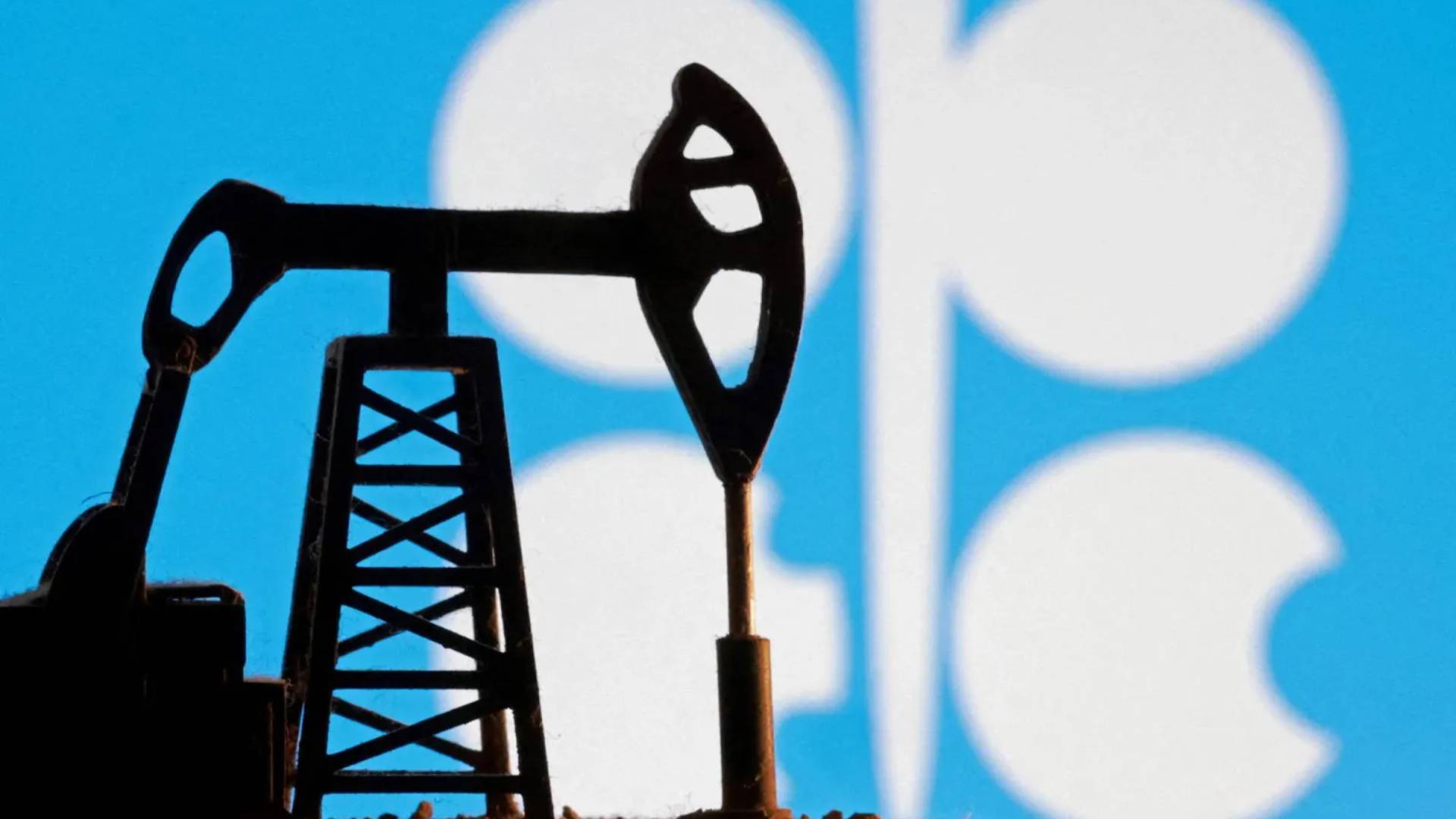 Reuters
A model of an oil pump is seen in front of the OPEC logo in this illustration.
OPEC+ agreed on Sunday to a modest increase in oil output for June, although the rise is expected to remain largely nominal while the ongoing conflict involving Iran continues to disrupt Gulf oil supplies through the Strait of Hormuz.
In a statement issued following an online meeting, OPEC+ said that seven member countries would raise production targets by 188,000 barrels per day in June, marking the third consecutive monthly increase. The adjustment mirrors the level agreed for May, excluding the share previously attributed to the UAE, which exited the arrangement on 1 May.
The move is designed to show the group is ready to raise supplies once the war stops and signals that OPEC+ is pressing on with a business-as-usual approach despite the departure of the UAE from OPEC+, Reuters cited OPEC+ sources and analysts.
“OPEC+ is sending a two-layer message to the market: continuity despite the UAE’s exit, and control despite limited physical impact," Reuters quoted Jorge Leon, an analyst at Rystad and former OPEC official, as saying.
“While output is increasing on paper, the real impact on physical supply remains very limited given the Strait of Hormuz constraints. This is less about adding barrels and more about signaling that OPEC+ still calls the shots.”
Output quotas for leading OPEC+ members are set to rise under the latest agreement, with Saudi Arabia’s allocation increasing to 10.291 million barrels per day (bpd) in June—well above its reported actual production of 7.76 million bpd in March.
The seven countries participating in Sunday’s meeting were Saudi Arabia, Iraq, Kuwait, Algeria, Kazakhstan, Russia and Oman. Following the departure of the United Arab Emirates from the core decision-making group, OPEC+ now comprises 21 members, including Iran, although in recent years only these seven countries—alongside the UAE—have taken part in monthly production decisions.
The conflict involving Iran, which began on 28 February, and the subsequent closure of the Strait of Hormuz have significantly curtailed exports from key OPEC+ producers, including Saudi Arabia, Iraq and Kuwait, as well as from the UAE. Prior to the conflict, these countries were among the few within the group with the capacity to increase output.
Industry executives in the Gulf and global oil traders have indicated that even after shipping through the Strait of Hormuz resumes, it could take several weeks or even months for oil flows to return to normal levels.
The supply disruption has propelled oil prices to a four-year high above $125 per barrel as analysts begin to predict widespread jet fuel shortages in one to two months and a spike in global inflation.
Crude oil output from all OPEC+ members averaged 35.06 million bpd in March, down 7.70 million bpd from February, OPEC said in a report last month, with Iraq and Saudi Arabia making the biggest cuts due to constrained exports.
The seven OPEC+ members will meet again on June 7, the statement said.
Source: Reuters
PUKMEDIA
More news
-
Argentina and Spain Battle for Football's Biggest Prize
01:25 PM - 2026-07-19 -
Lebanese President to Meet U.S. President at White House
10:51 AM - 2026-07-19 -
Darbaz Kosrat Rasul: Unity Is Key to Overcoming Political Challenges
10:59 PM - 2026-07-18 -
Two U.S. Troops Killed and One Missing in Jordan Following Iran Attack
09:01 PM - 2026-07-18
see more
Kurdistan 11:35 AM - 2026-07-19 Report Records 36 Violations Against Journalists in Kurdistan Region During First Half of 2026
U.S. Renews Strikes on Iran After Two Military Personnel Killed in Iranian Attack
09:20 AM - 2026-07-19

PUK President: Safety of Our People is a Boundary that Cannot Be Crossed
08:47 PM - 2026-07-18
Iraqi President Rejects Attacks on Erbil and Sulaymaniyah, Reaffirms Sovereignty
04:51 PM - 2026-07-18
Most read
-
Skyroot's Vikram-1 Marks Milestone for India's Private Space Industry
World 03:03 PM - 2026-07-18 -
Iraqi PM Hails Banking Reform Deal with U.S. Treasury as Major Step Towards Global Integration
Iraq 01:29 PM - 2026-07-18 -
PUK President: Safety of Our People is a Boundary that Cannot Be Crossed
P.U.K 08:47 PM - 2026-07-18 -
Iraqi President Rejects Attacks on Erbil and Sulaymaniyah, Reaffirms Sovereignty
Iraq 04:51 PM - 2026-07-18 -
Hungarian President Signs Law Ending His Term in Office
World 08:16 PM - 2026-07-18 -
Darbaz Kosrat Rasul: Unity Is Key to Overcoming Political Challenges
P.U.K 10:59 PM - 2026-07-18 -
Two U.S. Troops Killed and One Missing in Jordan Following Iran Attack
World 09:01 PM - 2026-07-18 -
Smoke, Wildfires and Floods: U.S. Faces Triple Summer Weather Threat
World 06:21 PM - 2026-07-18
The News in your pocket
Download
 Application