
Hero Khan: Fighter, Diplomat, Witness
Opinions 09:51 AM - 2026-06-24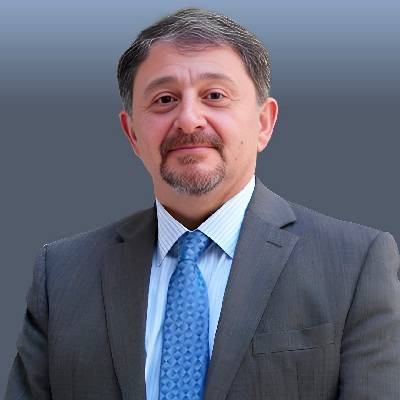 PUKMEDIA
Imad Farhadi.
Written by Imad Farhadi
A personal remembrance for Women in Diplomacy Day
There is a photograph taken in the Zagros Mountains sometime in the 1980s that has become, for many Kurds, an icon. Hero Ibrahim Ahmed is the only woman among a band of male guerrilla fighters, a slight figure among brawny, rifle-toting men, wearing Kurdish military fatigues, her long dark hair braided down her back. I thought of it years later, sitting across a lunch table from Hero Khan herself, watching her hold a room of foreign guests with the same quiet authority she must have carried into those mountains.
This was the early 1990s. I was working as an official translator and guide for foreign visitors to Iraqi Kurdistan, a region that had only recently emerged from the shadow of Anfal and was drawing a tentative trickle of journalists, diplomats, and curious outsiders. A small group of guests expressed a particular wish: they wanted to meet Hero Khan. A meeting was arranged, lunch included, and I found myself in the presence of a woman whose life I thought I knew from reputation alone.
She was born into a family for whom politics was not a vocation but a condition of survival. Her father, Ibrahim Ahmad, was a towering Kurdish intellectual and a founder of the Patriotic Union of Kurdistan; he was imprisoned at Abu Ghraib in the 1950s, his family was exiled to Kirkuk and placed under house arrest, and upon their return to Sulaymaniyah, they were wounded in an assassination attempt. These were not the footnotes of a distant political figure. They were Hero’s childhood. She once recalled that when she was born, her father threw a party in her honor, which was unheard of at the time, when celebrations were reserved for sons only. That single gesture, in that household, in that era, meant something.
Her dedication to the Kurdish cause, as she conveyed it that afternoon, was not ideology. It was something more lived-in, the natural expression of a person who had never had the luxury of separating who she was from what she believed. As Ibrahim Ahmed’s daughter, as Jalal Talabani’s wife, and, above all, as a woman of independent vision, these identities did not compete. They had fused, long before the world had occasion to notice.
What struck us most that afternoon was the conversation about photography. In the late 1980s, as the Ba’athist military bombed Kurdish villages across the Zagros (including the Jafati Valley in 1987), Hero Khan had documented the destruction on a VHS camera. The footage was broadcast internationally in 1988 and shook European audiences into awareness of what was happening to the Kurds. She spoke about it not triumphantly but as someone who had simply understood, in the moment, that a camera could reach places an army could not. The world did not want to hear about Saddam’s crimes while the Iran-Iraq War made him a useful ally. She filmed anyway.
Then one of the guests asked about her English, fluent and relaxed, entirely free of the stiffness of someone who learned a language from a textbook. She laughed and said she had learned it from Western films and television. She named Dallas specifically. The American soap opera, she said, had been a reliable teacher. It was an unexpected confession from a woman who had spent years evading airstrikes in the mountains, and it said something true about her: she was always paying attention, always drawing resources from wherever she could find them.
She had been among the roughly fifty women known as Zhini Shakh (women of the mountains) who joined the armed resistance alongside their husbands and brothers. She raised two sons in circumstances that permitted no settled life: part of it in the mountains, part in the diaspora. The boys kept away so that the struggle could be sustained. She conveyed this without self-pity. It was simply what was required.
Her role beside Jalal Talabani was never merely supportive in the decorative sense. To move with authority through Kurdish political culture, deeply male-dominated and nowhere more so than among the peshmerga, and to be taken seriously on her own terms while navigating life beside one of the most charismatic leaders in the region: this demanded a diplomacy of its own, practiced long before she held any formal title.
As a member of the Kurdistan Parliament, she brought that same attentiveness to ordinary life, visiting the elderly, sitting with the sick, and attending funerals. My own father’s funeral was among them. I mention it not to claim a significance it doesn’t deserve, but because it illustrates something easily missed: political trust, at its most durable, is built not in parliaments but in the moments when someone of standing shows up, without ceremony, for the people who most need to be seen.
On Women in Diplomacy Day, we tend to honor the grand gestures: the negotiations, the agreements, the formal acts of statecraft. Hero Khan is a reminder that diplomacy, at its most essential, is something quieter, the long work of making your people legible to the world and refusing, at every turn, to be invisible.
More news
-
Oil Prices Fall for Third Straight Day as Hormuz Shipping Recovers
10:50 AM - 2026-06-24 -
Qubad Talabani Discusses Tourism Development Strategy in Meeting with Tourism Board
06:27 PM - 2026-06-23 -
Iraq Increases Kirkuk Oil Exports to 7 Million Barrels a Month, Says SOMO
03:37 PM - 2026-06-23 -
Vance Says Talks with Iranian Officials Laid ‘Good Foundation’ for Deal to End War
01:06 PM - 2026-06-23
see more
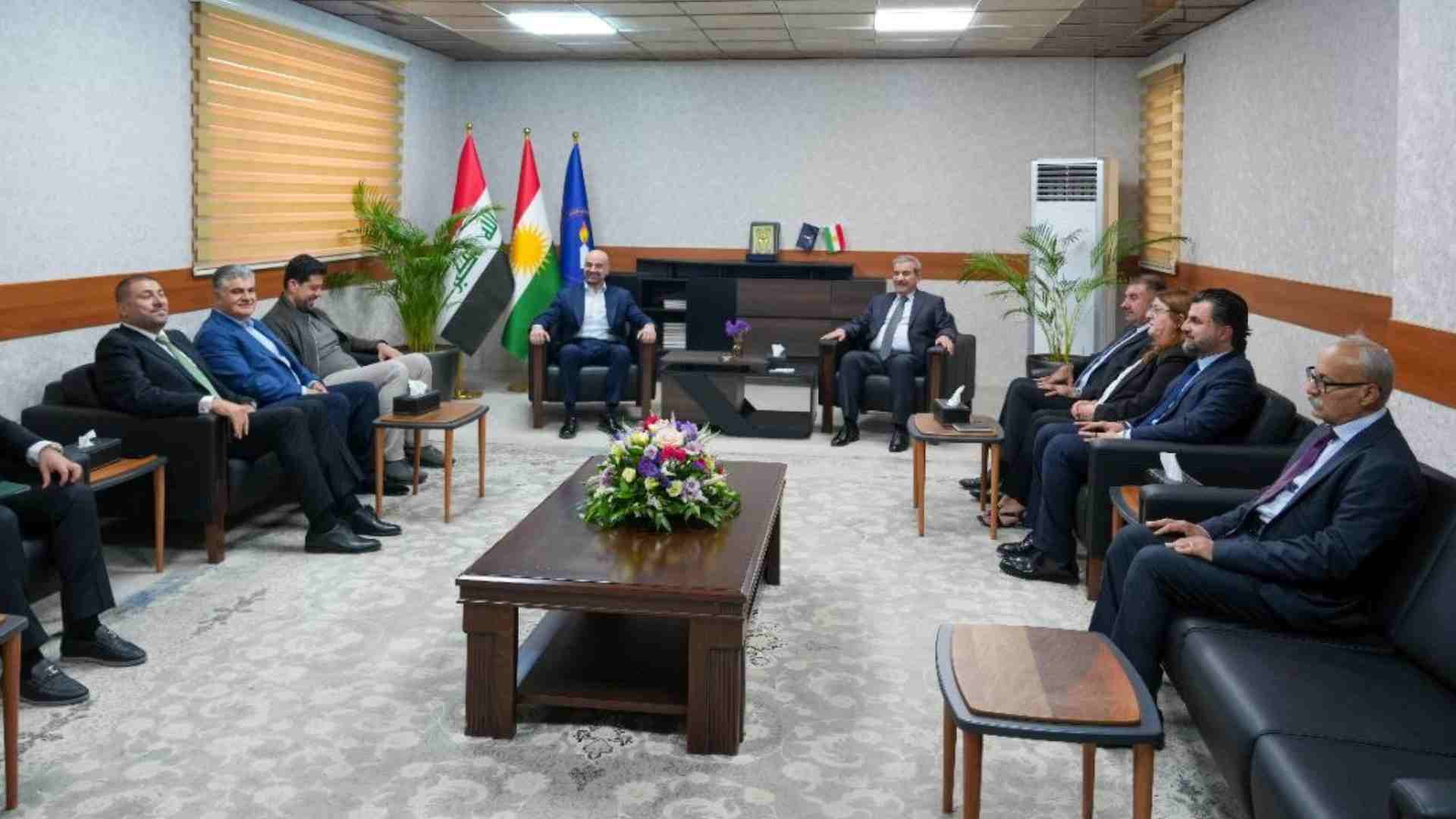
Kurdistan 05:36 PM - 2026-06-24 PUK President Visits Gorran Movement Headquarters to Strengthen Relations
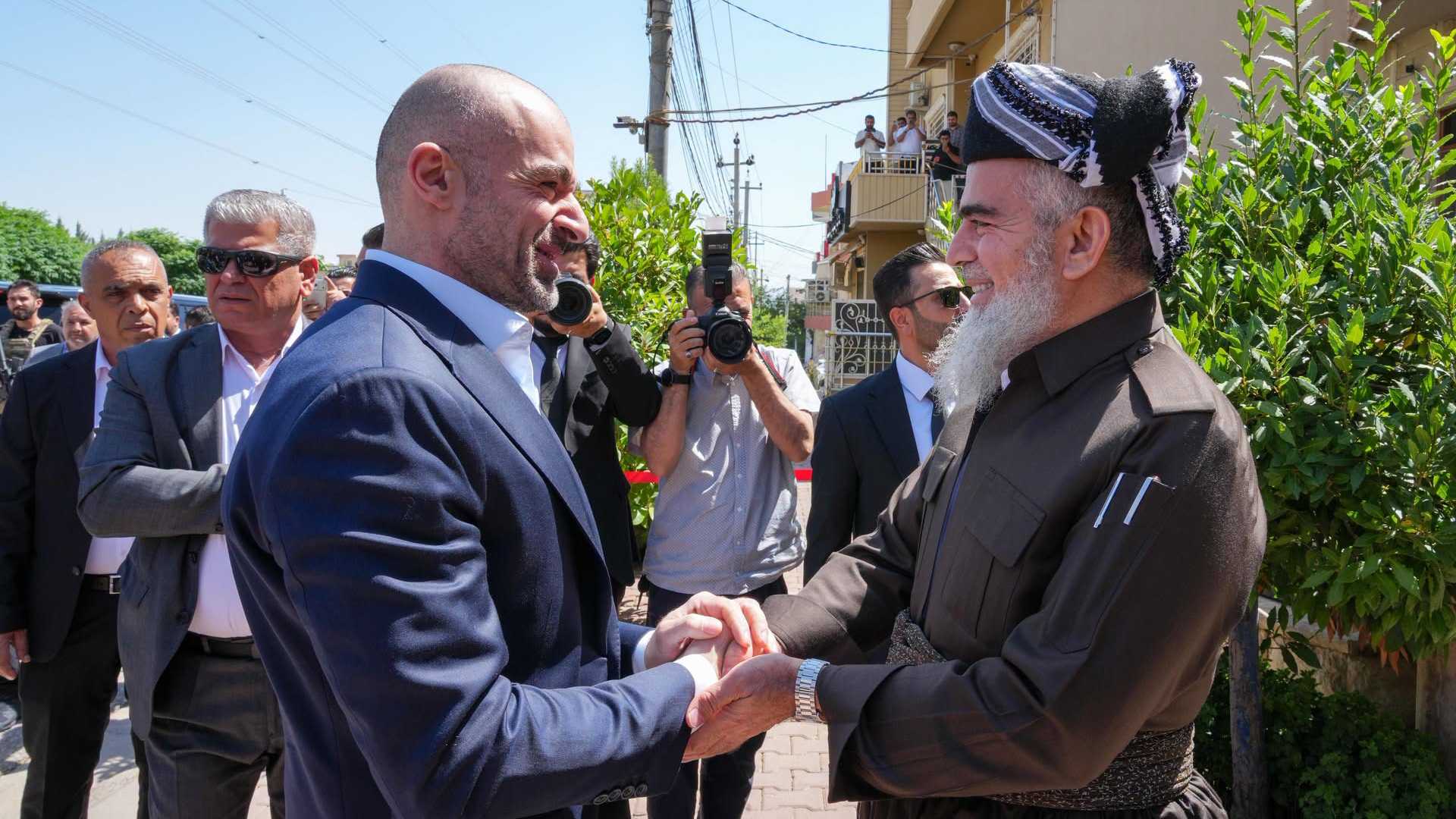
PUK President, KJG Leader Discuss Unified Efforts to Resolve Outstanding Issues
04:00 PM - 2026-06-24
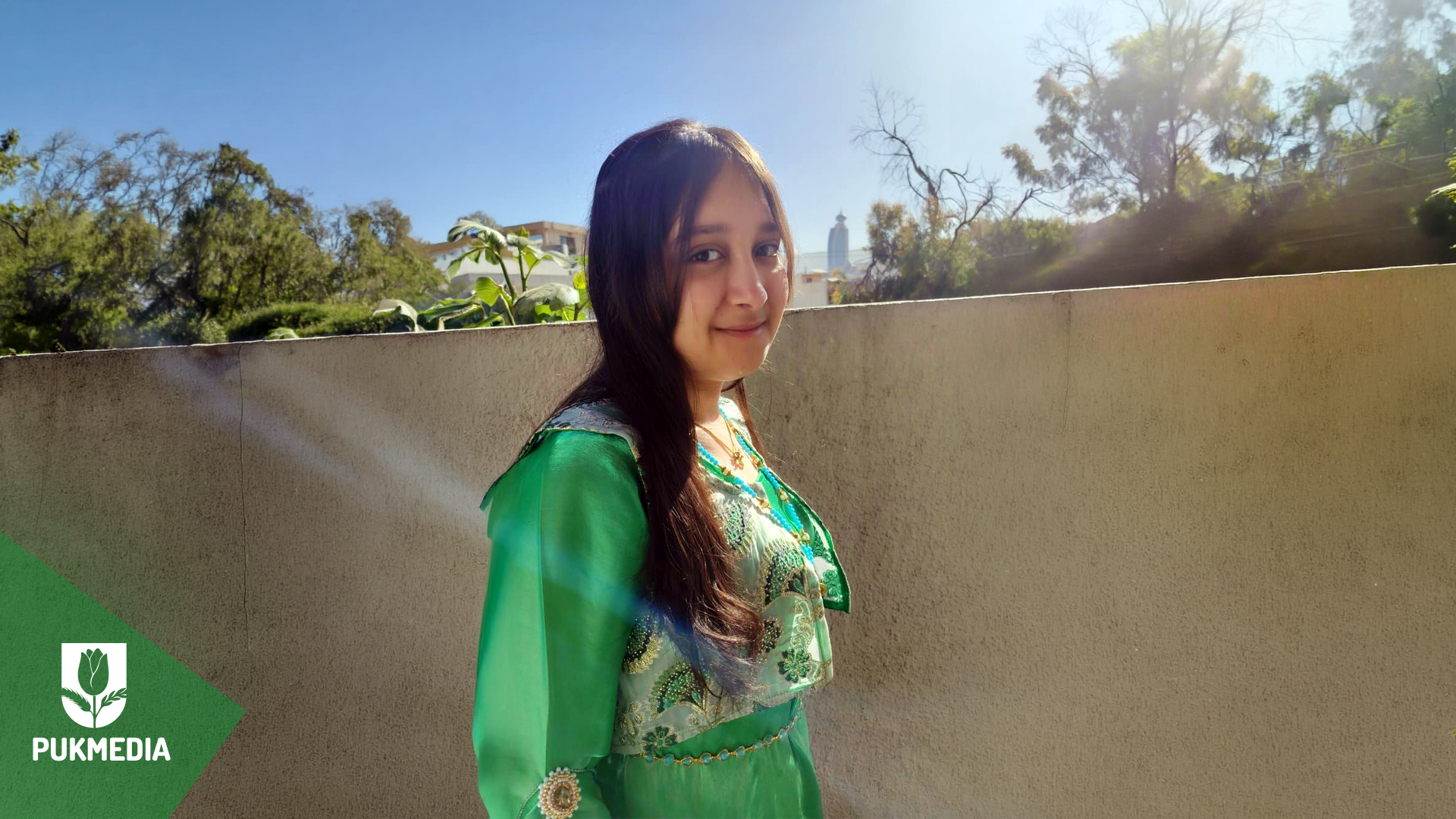
Teen Author and Translator Pursues Multilingual Success
01:24 PM - 2026-06-24
.jpg)
International Day of Women in Diplomacy Celebrated Worldwide
09:27 AM - 2026-06-24
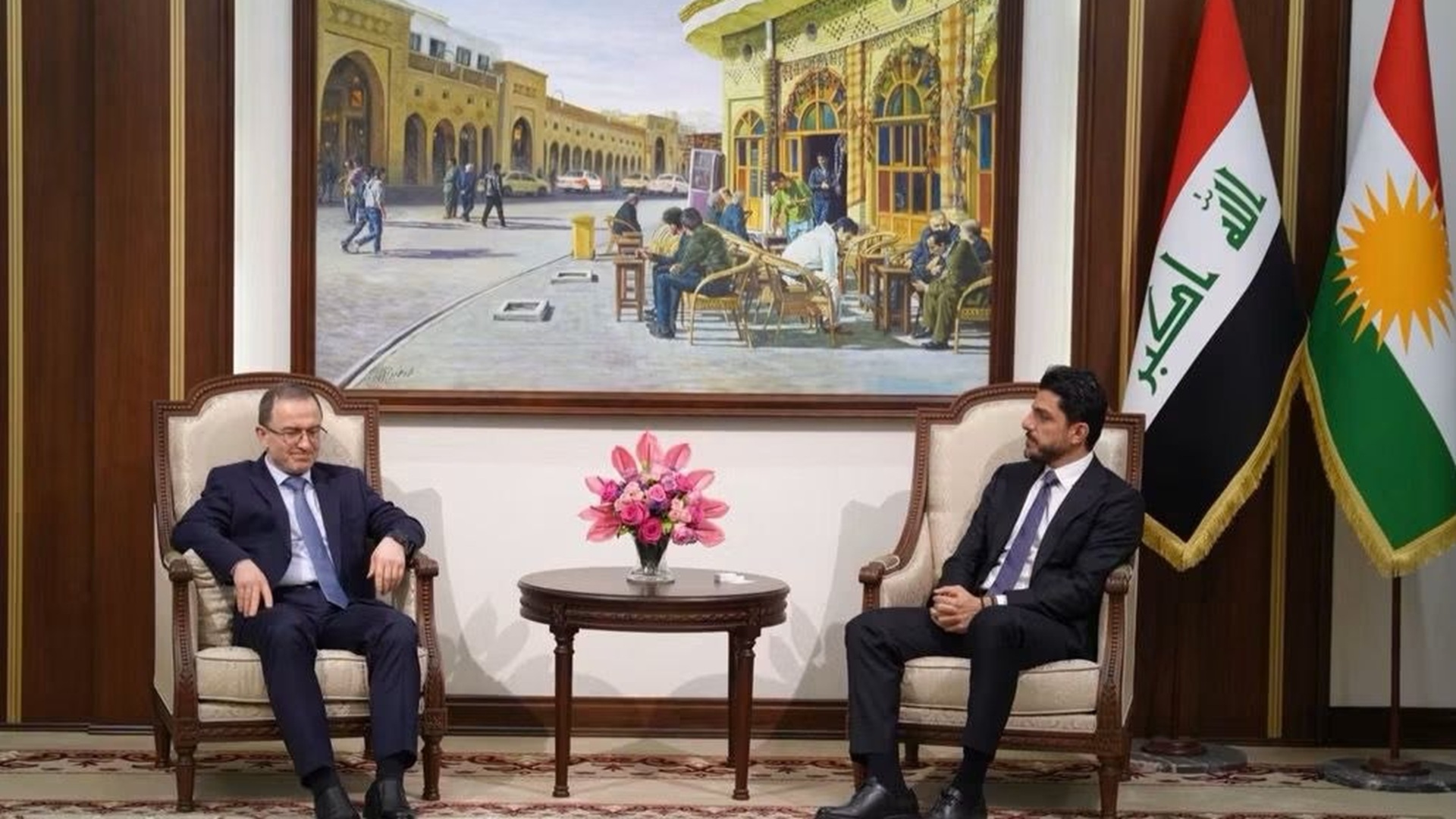
Darbaz Kosrat Rasul Receives Russian Ambassador for Talks on Political Developments
10:36 PM - 2026-06-23
Most read
-
Hero Khan: Fighter, Diplomat, Witness
Opinions 09:51 AM - 2026-06-24 -
Qubad Talabani: Baghdad and Erbil Must Work Together to Strengthen Iraq’s Economy
Kurdistan 05:13 PM - 2026-06-23 -
Qubad Talabani Discusses Tourism Development Strategy in Meeting with Tourism Board
Kurdistan 06:27 PM - 2026-06-23 -
Teen Author and Translator Pursues Multilingual Success
Kurdistan 01:24 PM - 2026-06-24 -
PUK President, KJG Leader Discuss Unified Efforts to Resolve Outstanding Issues
Kurdistan 04:00 PM - 2026-06-24 -
Darbaz Kosrat Rasul Receives Russian Ambassador for Talks on Political Developments
P.U.K 10:36 PM - 2026-06-23 -
Oil Prices Fall for Third Straight Day as Hormuz Shipping Recovers
News 10:50 AM - 2026-06-24 -
PUK President Visits Gorran Movement Headquarters to Strengthen Relations
Kurdistan 05:36 PM - 2026-06-24
The News in your pocket
Download
 Application