
Iran-US Deal to End Conflict Receives Strong International Endorsement
World 09:57 AM - 2026-06-15 PUKMEDIA
The flags of US and Iran.
The Islamic Republic of Iran and the United States announced on Sunday, 14 June 2026, that they had reached an agreement to end the conflict between the two countries, lift US sanctions on Iran, and reopen the Strait of Hormuz.
The agreement received broad international support from world leaders and international organisations.
United Nations Secretary-General António Guterres welcomed the development, stating: “We welcome the announcement that the United States and Iran have reached a peace agreement that includes an immediate and permanent ceasefire.”
A joint statement issued by the leaders of Britain, France, Germany and Italy welcomed the memorandum of understanding between Washington and Tehran and congratulated all mediators involved, including Qatar and Pakistan.
The statement described the agreement as “an opportunity to restore regional stability and support the global economy”, urging both sides to implement the deal swiftly and fully and to continue detailed negotiations. It also reiterated that “Iran must never acquire a nuclear weapon” and expressed readiness to work with the United States, Iran and the International Atomic Energy Agency to achieve that objective.
Turkish President Recep Tayyip Erdoğan described the agreement as “an important development towards establishing peace and stability in our region”. He stressed the need to avoid provocative rhetoric and reaffirmed Turkey’s commitment to efforts aimed at securing peace and stability.
British Prime Minister Keir Starmer welcomed the restoration of freedom of navigation through the Strait of Hormuz and reiterated that Iran must never possess a nuclear weapon.
French President Emmanuel Macron said the agreement was the outcome of diplomatic efforts involving several partners and called for its rapid and complete implementation. He added that it should enable the urgent and unconditional reopening of the Strait of Hormuz, with support available from the international mission established jointly by France and the United Kingdom.
German Chancellor Friedrich Merz hailed the agreement as a diplomatic achievement that could contribute to a stronger global economy and a more secure Middle East, stressing the importance of its careful implementation.
Japanese Prime Minister Sanae Takaichi expressed hope that free and secure navigation through the Strait of Hormuz would be guaranteed and that a final agreement on Iran’s nuclear programme and other outstanding issues would soon be concluded.
Australian Prime Minister Anthony Albanese welcomed the agreement, noting that Australia had consistently called for de-escalation and an end to regional conflicts. He emphasised the need for continued restraint and constructive engagement to prevent further escalation and secure a lasting settlement.
New Zealand Foreign Minister Winston Peters described the agreement as a significant and constructive step towards reducing tensions and strengthening stability in a region vital to global economic security, adding that dialogue and diplomacy remain the most effective means of resolving longstanding disputes.
The President of the European Commission stated that the agreement should bring an end to Iran’s nuclear and ballistic missile programmes and its destabilising activities in the region.
Egypt also welcomed the agreement. In a statement issued on Monday, the Egyptian Foreign Ministry described it as a highly significant development that would contribute to security and stability both regionally and internationally. Cairo said it had worked closely with regional and international partners over recent months to help bring about an end to the conflict.
Qatar likewise welcomed the agreement, particularly its provisions concerning freedom of navigation through the Strait of Hormuz. The Qatari government described the deal as an important step towards lasting peace.
Qatari Prime Minister Sheikh Mohammed bin Abdulrahman Al Thani thanked Pakistan and all regional and international parties that helped create the conditions necessary for reaching the understanding. He expressed hope that forthcoming negotiations would proceed in a constructive spirit and reaffirmed Qatar’s commitment to promoting security and stability through dialogue and peaceful means.
Pakistani Prime Minister Shehbaz Sharif announced that the United States and Iran had reached a peace agreement following intensive negotiations. According to Sharif, both sides had agreed to an immediate and permanent cessation of hostilities on all fronts, including Lebanon. He said the formal signing ceremony was scheduled to take place in Switzerland on 19 June.
US President Donald Trump described the agreement as a “great deal”, saying it would bring peace and security to the region. He noted that previous US administrations had attempted unsuccessfully to reach a similar agreement with Iran and argued that the deal represented a major turning point in bilateral relations.
Trump added that the Strait of Hormuz would reopen immediately following the formal signing, with efforts focused on clearing mines and ensuring maritime security. He said oil exports would resume from both sides, benefiting both the region and the wider global economy.
The US President further stated that the agreement would enhance regional stability and create conditions for a new phase of co-operation and security.
US Vice-President J.D. Vance said he intended to attend the signing ceremony in Geneva and noted that President Trump might also participate, with logistical arrangements still being finalised.
Meanwhile, Iran’s Supreme National Security Council announced that the final draft of the memorandum of understanding had been completed following months of intensive negotiations conducted under what became known as the “Islamabad talks”.
In a statement, the council said the agreement had been reached under the guidance of the Supreme Leader and with the support of the Iranian people and armed forces. It stated that the memorandum provides for an immediate and permanent end to military operations on all fronts, including Lebanon, as well as the complete lifting of the naval blockade imposed on Iran.
The council confirmed that the official signing ceremony for the memorandum of understanding is scheduled to take place on Friday, 19 June 2026.
PUKMEDIA
More news
-
President Bafel Receives Mahmoud Sangawi in Dabashan
05:00 PM - 2026-06-18 -
Oil Prices Slide as US-Iran Agreement Raises Expectations of Higher Global Supply
10:16 AM - 2026-06-18 -
PUK's Khailany Receives Senior Chinese Delegation to Strengthen Academic Cooperation
01:08 PM - 2026-06-17 -
Oil Prices Rise Slightly as Markets Assess US-Iran Agreement and Falling US Inventories
11:17 AM - 2026-06-17
see more
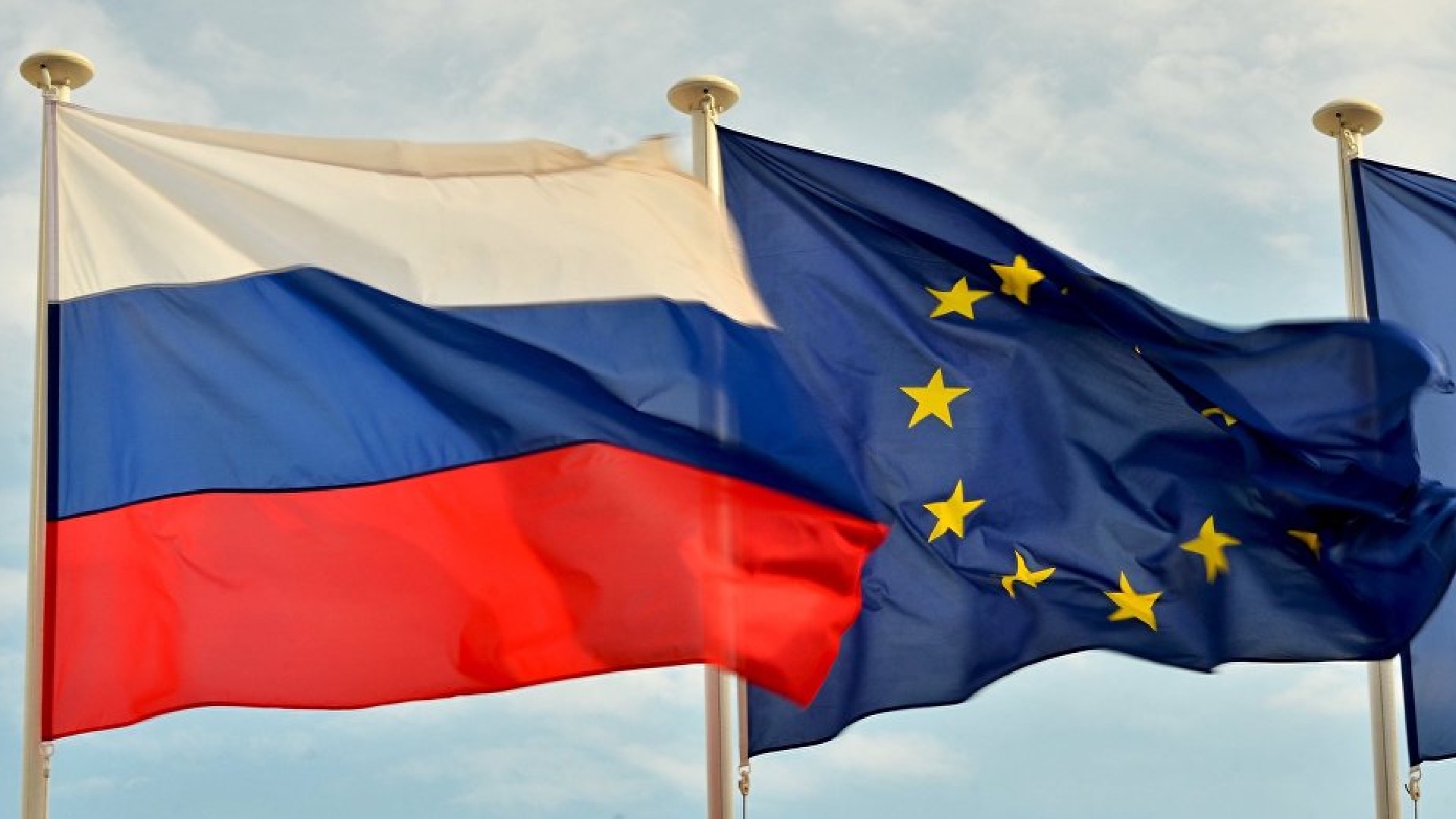
EU Leaders Warn Against Premature Talks with Russia Amid Ukraine War
10:49 PM - 2026-06-18
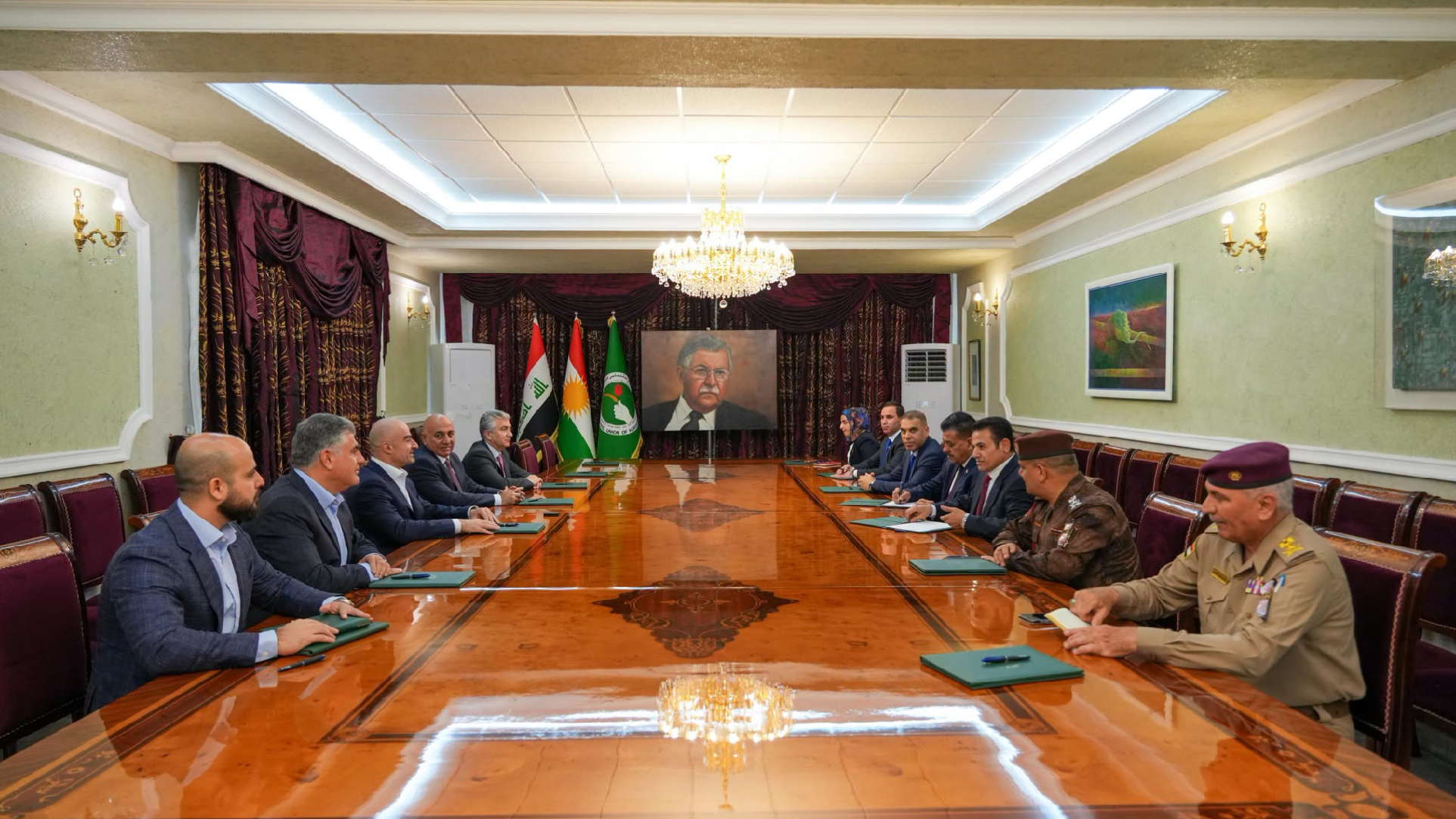
PUK President and Iraqi National Security Adviser Discuss Security Coordination
03:59 PM - 2026-06-18
.jpg)
Iraqi National Security Adviser Pays Tribute at Mam Jalal’s Mausoleum During Official Visit
12:15 PM - 2026-06-18
.jpg)
Trump and Pezeshkian Sign US-Iran Memorandum of Understanding at Versailles
09:21 AM - 2026-06-18
Most read
-
Trump and Pezeshkian Sign US-Iran Memorandum of Understanding at Versailles
World 09:21 AM - 2026-06-18 -
President Bafel Receives Mahmoud Sangawi in Dabashan
P.U.K 05:00 PM - 2026-06-18 -
PUK President and Iraqi National Security Adviser Discuss Security Coordination
Kurdistan 03:59 PM - 2026-06-18 -
Oil Prices Slide as US-Iran Agreement Raises Expectations of Higher Global Supply
News 10:16 AM - 2026-06-18 -
Iraqi National Security Adviser Pays Tribute at Mam Jalal’s Mausoleum During Official Visit
Kurdistan 12:15 PM - 2026-06-18 -
EU Leaders Warn Against Premature Talks with Russia Amid Ukraine War
World 10:49 PM - 2026-06-18 -
Oil Prices Fall as Concerns Over Supply Disruptions Ease
News 09:20 AM - 2026-06-19
The News in your pocket
Download
 Application