.png)
The Patriotic Union of Kurdistan: A History of Defying the Impossible
Opinions 10:28 AM - 2026-06-02 PUKMEDIA
Asos Ali
Written by Asos Ali
The Patriotic Union of Kurdistan (PUK) emerged as a political and intellectual movement at a pivotal moment in the contemporary history of Kurdistan. The political and military setbacks following 1975, coupled with the repercussions of the Algiers Agreement, created the conditions for the birth of a movement capable of transcending the psychological and political fallout of that era. The meeting of the founding committee in Damascus and its official announcement on 1 June 1975 was not merely a shift in the region’s partisan landscape; rather, it transformed the language and tools of Kurdish political discourse, shifting it from a period of despair towards one of renewal and political reorganisation and adaptation to the new international and regional realities.
Understanding the dynamics of the PUK’s development requires an analysis of its internal structure, which was designed on the principle of a “broad front”. Mam Jalal and his comrades transcended the rigid, centralised model of classical political parties to forge an organisational space where leftist trends — most notably the Komala (Society of Toilers) as the theoretical engine — could converge alongside nationalist and democratic forces. This pluralism and intellectual breadth endowed the movement with a vibrant and progressive discourse. When the New Revolution was launched in 1976, partisan warfare was viewed not simply as a military tactic but as a comprehensive strategy for survival and to demonstrate that political will could withstand the massive apparatus of state suppression, even in the face of a severe asymmetry of power, the deployment of banned chemical weapons, and the genocidal Anfal campaigns.
Following the 1991 Uprising and the transition of the struggle from the mountains to the cities, the PUK acted as a catalyst for modern political and social development. In the areas under the influence of its discourse, the party fostered an environment conducive to the growth of press freedom, pluralism and cultural openness. It sought to redefine the concepts of democracy and institutionalism beyond traditional feudal and tribal structures. This structural shift consolidated the party’s position as an influential social-democratic force within the governance of the Kurdistan Region, establishing the PUK as the genuine nucleus of a modern and progressive Kurdish national movement.
A significant turning point in the PUK’s strategic standing occurred after the 2003 regime change in Iraq. Moving the centre of political gravity and struggle to Baghdad, led by our guide Mam Jalal, and his subsequent assumption of the Iraqi presidency, ushered in a new era for the Kurdish position within the federal state. Mam Jalal’s presidential model in Baghdad was built upon balance, national consensus and a balanced mediating role, successfully uniting Iraq’s diverse ethnic and sectarian components under a single constitutional roof. This was a true reflection of a political school that believed in multilateral diplomacy and finding common ground in pursuit of the national interest.
The history of major political parties demonstrates that periods of leadership transition are invariably accompanied by internal challenges and identity crises; the aftermath of Mam Jalal’s passing subjected the PUK to this severe test. In the contemporary world of politics, the past does not fully guarantee the future unless there is a constant readiness for change. At present, under the leadership of President Bafel Talabani, the Patriotic Union of Kurdistan is undergoing a new process of restructuring its institutions and reshaping its political discourse. By emphasising pluralism and rejecting authoritarianism in political decision-making, the PUK is striving to reinforce its position as a primary balancing force within both the internal dynamics of the Kurdistan Region and the decision-making centres in Baghdad. This represents the continuity of the very political logic upon which the party’s history was founded.
More news
-
World Environment Day: A Global Call to Protect the Planet
02:06 PM - 2026-06-05 -
Oil Prices Hold Firm Amid Middle East Uncertainty
09:17 AM - 2026-06-05 -
Kurdish FIDE Master Secures Win at Asian Chess Championship
06:19 PM - 2026-06-04 -
Trump Dismisses House Vote Seeking to Limit War Powers Over Iran
05:33 PM - 2026-06-04
see more
Kurdistan 10:16 PM - 2026-06-05 World Bank Approves $900 Million Project to Upgrade Iraq’s Road Network
Delphi Forum President Reaffirms Commitment to Sulaymaniyah
02:01 PM - 2026-06-05
PUK President: Balance and Partnership Must Guide Next KRG Cabinet
12:26 AM - 2026-06-05
Qubad Talabani Praises UNAMI’s Humanitarian and Development Contributions in Iraq and Kurdistan Region
09:14 PM - 2026-06-04
Iraqi PM Highlights Cooperation with Private Sector in Energy Policy Meeting
07:52 PM - 2026-06-04
Most read
-
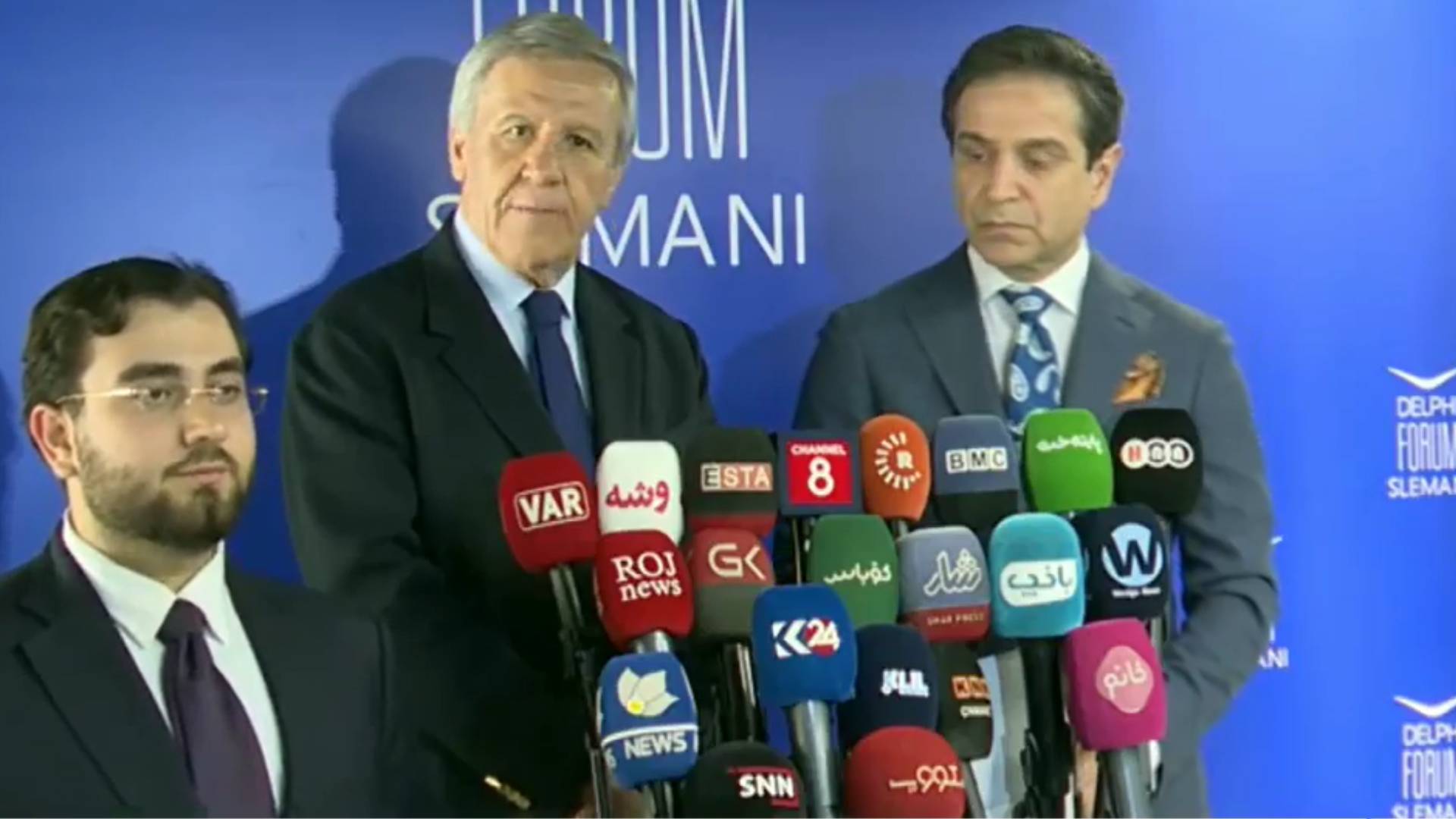
Delphi Forum President Reaffirms Commitment to Sulaymaniyah
Kurdistan 02:01 PM - 2026-06-05 -
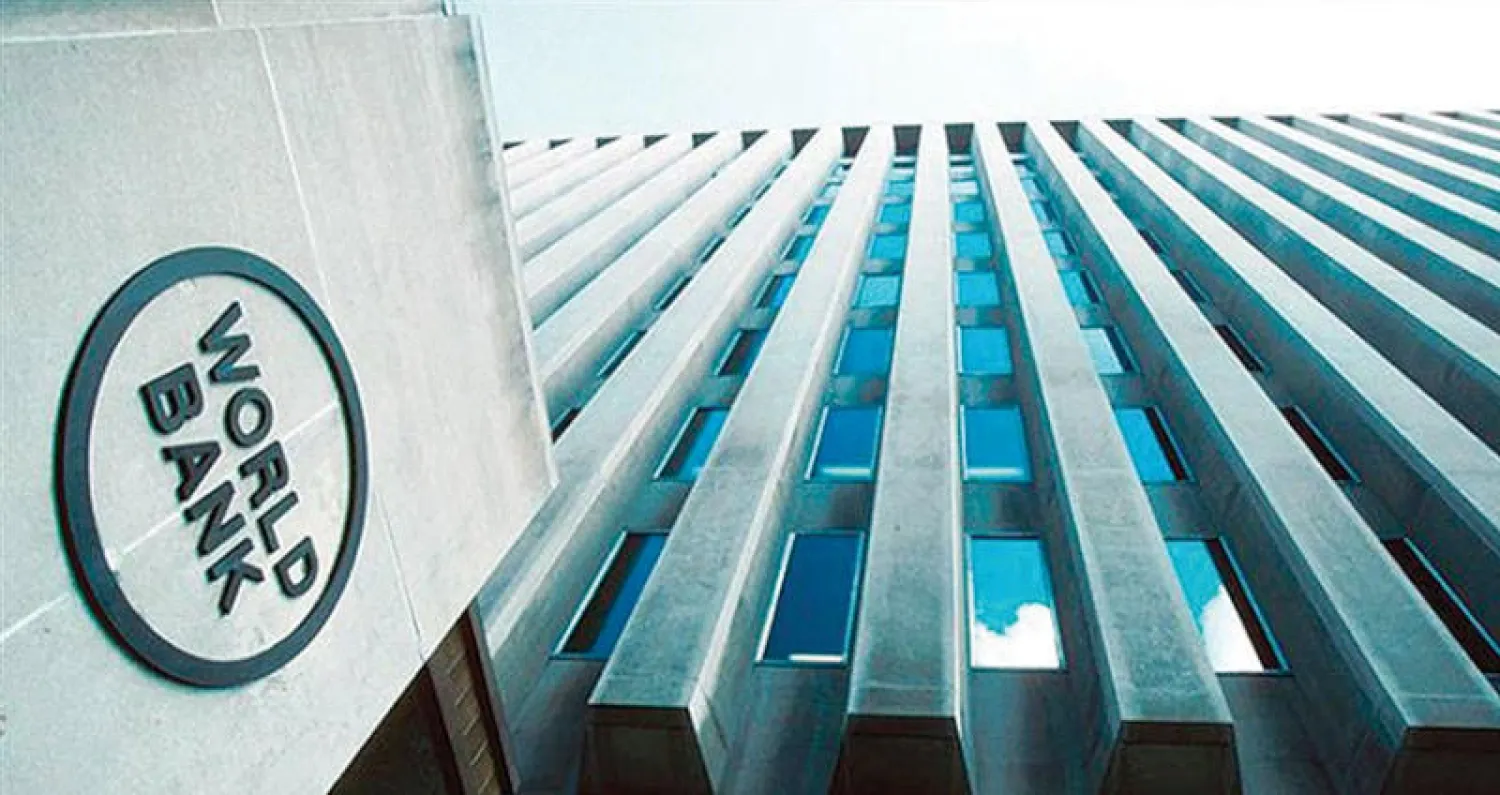
World Bank Approves $900 Million Project to Upgrade Iraq’s Road Network
Kurdistan 10:16 PM - 2026-06-05 -
Oil Prices Hold Firm Amid Middle East Uncertainty
News 09:17 AM - 2026-06-05 -
World Environment Day: A Global Call to Protect the Planet
World 02:06 PM - 2026-06-05
The News in your pocket
Download
 Application