

National Day of Mass Graves: A Memory of Pain and Unhealed Wounds
Iraq 10:55 AM - 2026-05-16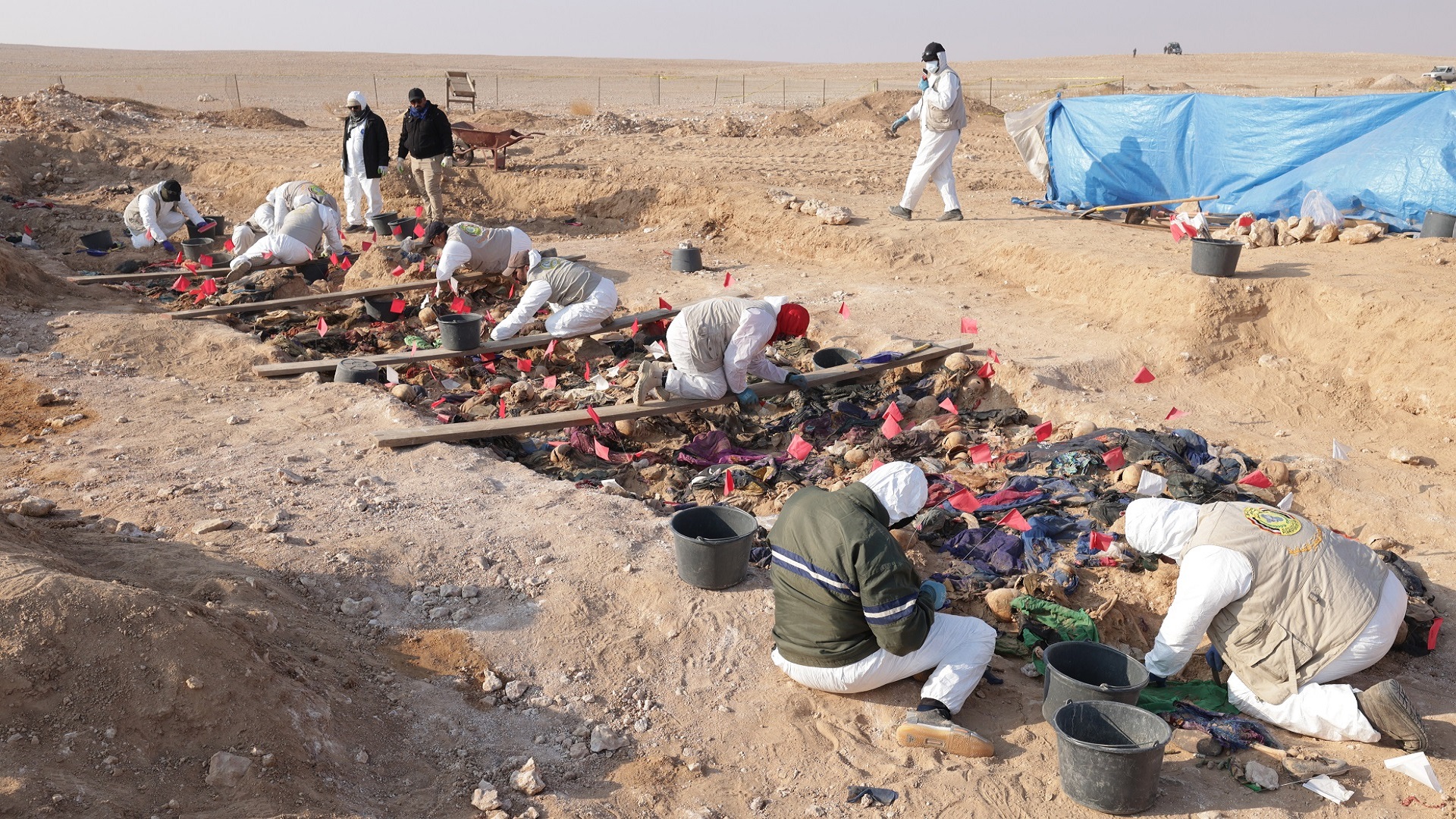 Iraqi Presidency
One of the mass graves containing the remains of Anfal victims in the southern desert of Iraq.
Every year on 16 May, Iraqis commemorate the National Day of Mass Graves, remembering one of the darkest and most painful chapters in the country’s modern history. The occasion, established by the Iraqi parliament in 2007 following the discovery of the first mass grave in Babil province, serves as a reminder of the widespread atrocities committed against the Iraqi people, particularly the Kurdish population and other communities targeted by the fallen Ba'ath regime and terrorist organisations.
National Day of Mass GravesIn 2007, the Iraqi parliament officially designated 16 May as the National Day of Mass Graves. The annual commemoration honours the thousands of victims killed during campaigns of repression and extermination carried out by the former Ba’athist regime, as well as victims of terrorism following 2003, many of whom remain buried in mass graves whose full stories have yet to be uncovered.
Discovery of the First Mass Grave After 2003According to the Mass Graves Department of the Martyrs Foundation, the date was chosen after the discovery of the first mass grave in the Mahawil area of Babil province following the fall of the Ba'ath regime in 2003. The discovery shocked Iraqi society and revealed the scale of crimes committed against Iraqis over several decades.
Dhirgham Al Mahmoud Al Husseini of the Mass Graves Department stated that the parliament issued the official decision in 2007 in order to preserve national memory, pursue justice for victims, and uncover the fate of the missing.
Legal Framework and Ongoing InvestigationsIraq continues to address the mass graves issue under the amended Law No. 5 of 2006 on the Protection of Mass Graves. Responsibility for overseeing the file has been assigned to the Mass Graves Department within the Federal Martyrs Foundation.
Specialised teams, including experts from the Forensic Medicine Department and the Mass Graves Department, with support from the International Commission on Missing Persons, are working to exhume remains and identify victims through laboratory examinations and DNA analysis.
Experts say the work requires extensive technical expertise and humanitarian efforts because of the complexity of the sites and the large number of victims.
Hundreds of Graves and Thousands of VictimsOfficial statistics show that 314 mass graves have so far been uncovered across Iraq. Of these, 160 belong to victims of the fallen Ba’ath regime, while 154 contain victims of terrorism and extremist groups after 2003, most of whom are Yazidi Kurds.
Despite ongoing efforts, 81 mass grave sites remain unopened, with some locations believed to contain multiple graves. In the Tel al-Shaykhiyah area of the Samawah desert alone, ten mass graves have been identified, but only three have been uncovered so far.
According to official data, 17 of the remaining sites are linked to crimes committed by the former regime, while 64 are connected to atrocities carried out by ISIS and other terrorist groups.
Policies of Repression and GenocideThe existence of these mass graves reflects decades of repression, genocide, forced displacement, and political persecution under the former Ba’ath regime, particularly between 1979 and 2003.
Although all segments of Iraqi society were affected, the Kurdish people suffered some of the gravest atrocities, especially during the Anfal campaigns, which claimed the lives of approximately 182,000 unarmed Kurdish civilians. The fate of thousands of victims remains unknown despite the discovery of remains in mass graves across central and southern Iraq.
One of the most painful unresolved humanitarian issues concerns the victims of the Barzani Anfal campaign, with more than 8,000 people still missing. On this anniversary, a mass grave containing the remains of several Barzani Anfal victims was uncovered in the Busayya area, once again highlighting the scale of the tragedy.
The former regime also carried out campaigns of arrest and enforced disappearance against thousands of Feyli Kurds. Survivors’ testimonies indicate that some detainees were subjected to chemical weapons experiments, while others perished in chemical attacks and detention camps, including the notorious Nuqrat al-Salman prison, which remains associated with one of the harshest periods of political repression in Iraq.
Preserving National MemoryMass graves are not merely burial sites; they stand as enduring evidence of a painful era in Iraq’s modern history. Every year, Iraqis commemorate these crimes while demanding justice for victims and their families, the disclosure of the fate of the missing, and accountability for those responsible.
The issue of mass graves remains one of Iraq’s most sensitive and complex humanitarian challenges, particularly for families who continue to wait for answers about loved ones who disappeared decades ago.
PUKMEDIA
More news
-
CENTCOM Releases Update on U.S. Troops Killed and Missing in Gulf Attacks
10:51 PM - 2026-07-19 -
French Mediterranean Wildfire Spreads Rapidly, Prompting Evacuations
09:25 PM - 2026-07-19 -
Parliament Orders Dismissal of Naval Commanders After Kuwaiti Coast Guard Attack on Iraqi Fishermen
04:31 PM - 2026-07-19 -
Argentina and Spain Battle for Football's Biggest Prize
01:25 PM - 2026-07-19
see more
P.U.K 07:58 PM - 2026-07-19 Latif Nerwayi: President Bafel's Message Emphasised Unity to Overcome Challenges
The 19 July Revolution: How Rojava Reshaped Northern and Eastern Syria
06:30 PM - 2026-07-19
Report Records 36 Violations Against Journalists in Kurdistan Region During First Half of 2026
11:35 AM - 2026-07-19
U.S. Renews Strikes on Iran After Two Military Personnel Killed in Iranian Attack
09:20 AM - 2026-07-19

PUK President: Safety of Our People is a Boundary that Cannot Be Crossed
08:47 PM - 2026-07-18
Most read
-
Argentina and Spain Battle for Football's Biggest Prize
World 01:25 PM - 2026-07-19 -
CENTCOM Releases Update on U.S. Troops Killed and Missing in Gulf Attacks
Kurdistan 10:51 PM - 2026-07-19 -
French Mediterranean Wildfire Spreads Rapidly, Prompting Evacuations
World 09:25 PM - 2026-07-19 -
Parliament Orders Dismissal of Naval Commanders After Kuwaiti Coast Guard Attack on Iraqi Fishermen
Iraq 04:31 PM - 2026-07-19 -
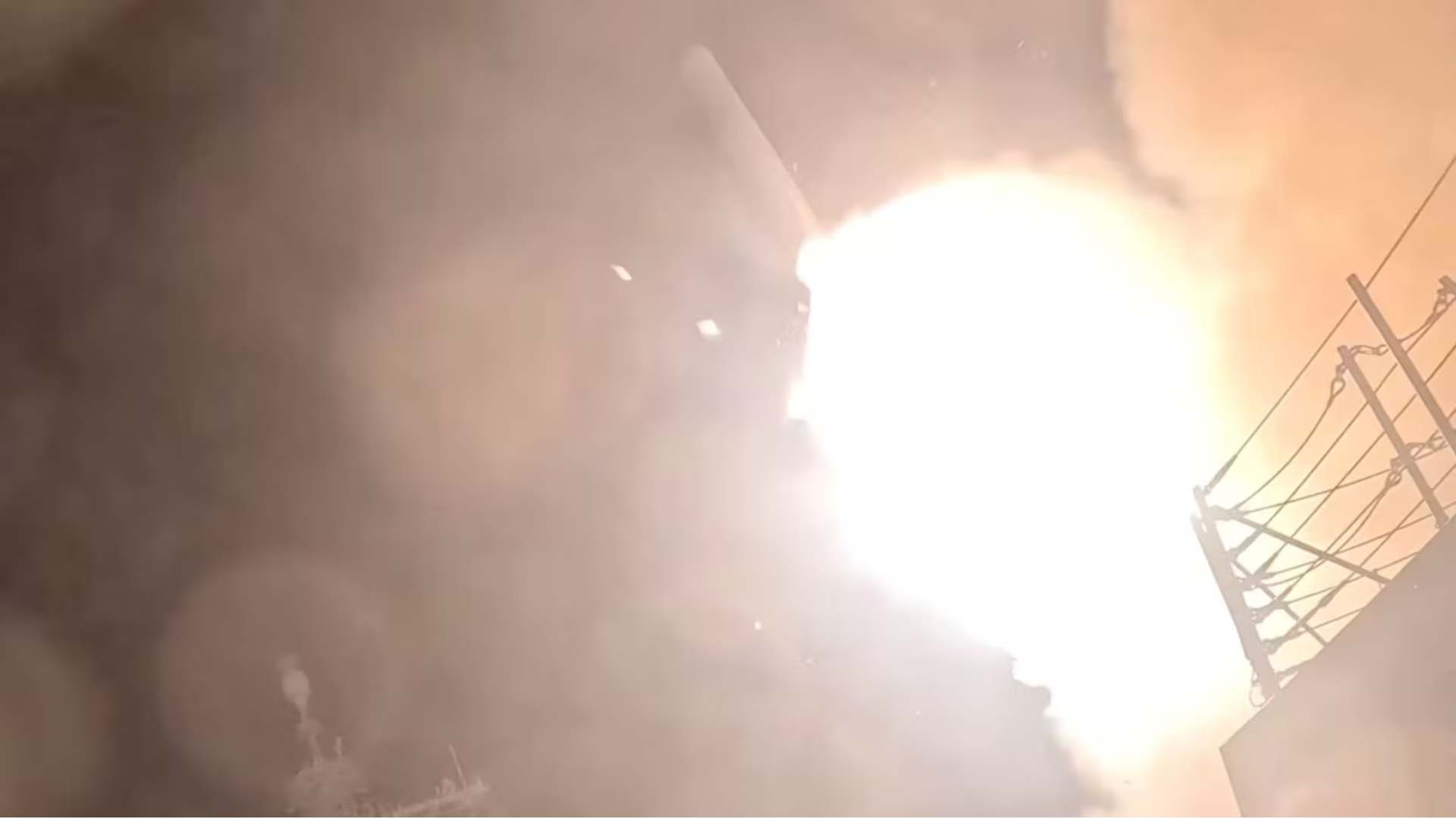
U.S. Renews Strikes on Iran After Two Military Personnel Killed in Iranian Attack
World 09:20 AM - 2026-07-19 -
The 19 July Revolution: How Rojava Reshaped Northern and Eastern Syria
Kurdistan 06:30 PM - 2026-07-19 -
Report Records 36 Violations Against Journalists in Kurdistan Region During First Half of 2026
Kurdistan 11:35 AM - 2026-07-19 -
Latif Nerwayi: President Bafel's Message Emphasised Unity to Overcome Challenges
P.U.K 07:58 PM - 2026-07-19
The News in your pocket
Download
 Application