

Remembering the Chemical Bombing of Gobtapa and Askar and Over 400 Lives Lost
Kurdistan 09:44 AM - 2026-05-03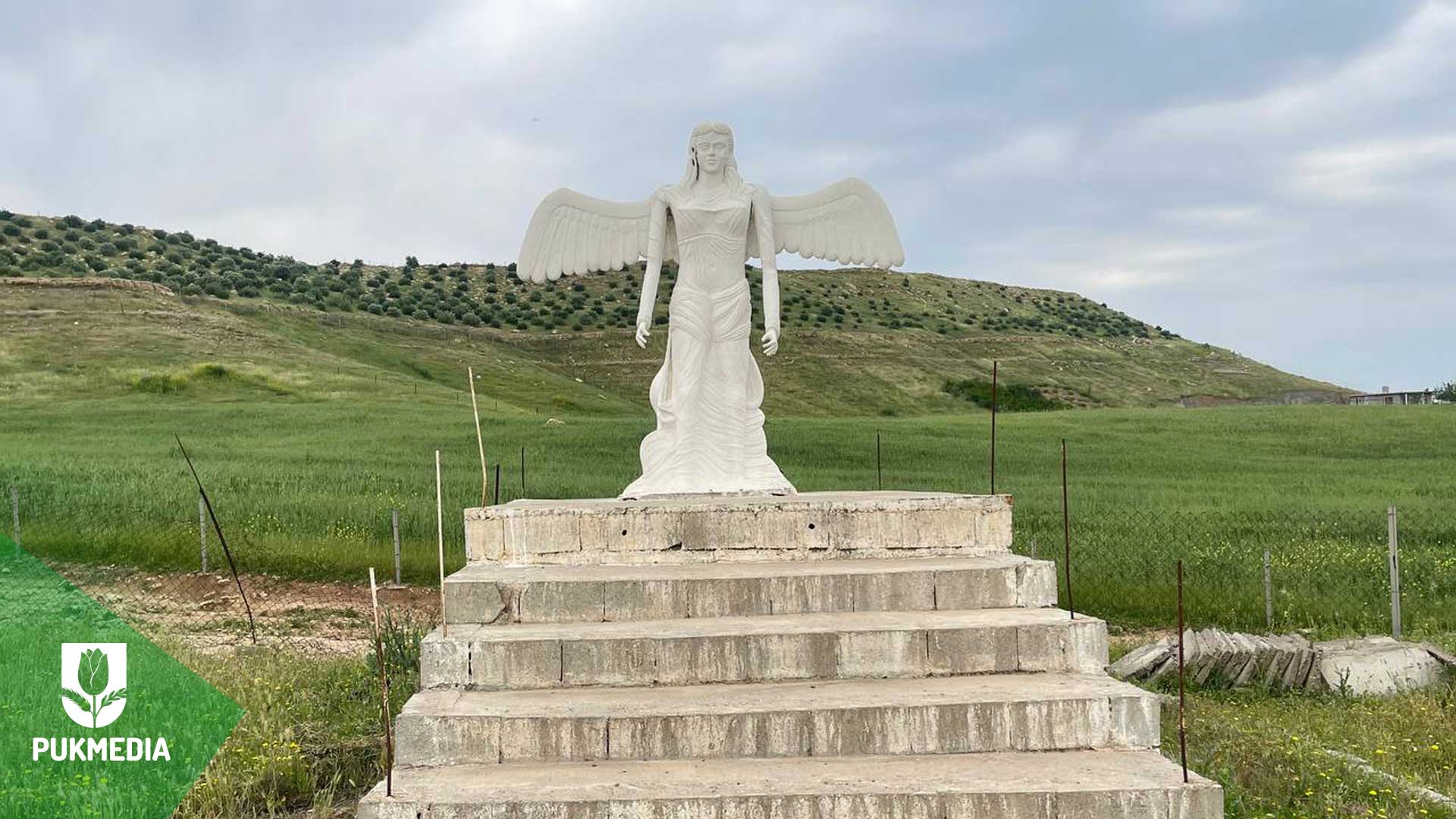 PUKMEDIA
Memorial to the victims of the chemical bombing in the village of Askar.
The people of Kurdistan on Sunday commemorated with profound sorrow the 38th anniversary of the chemical bombing of the villages of Gobtapa and Askar in the Aghjalar district of Chamchamal, within Sulaymaniyah Governorate.
On 3 May 1988, Iraq's fallen Ba'sth regime carried out chemical bombardments against the villages of Gobtapa, Askar and Chami Rezan using internationally prohibited chemical weapons, in preparation for the fourth phase of the Anfal campaign. The campaign targeted Kurdistan in eight successive stages, resulting in the deaths of more than 182,000 people and the destruction of over 4,500 villages.
As part of the fourth Anfal phase, Gobtapa and Askar were subjected to chemical attacks that led to the deaths of approximately 400 civilians and left at least 500 others injured.
The Anfal campaign, carried out by the regime of Saddam Hussein against Kurdish civilians, began on 22 February 1988 and continued until 6 September of the same year. It is widely regarded as one of the most devastating episodes of state-sponsored mass killing during Ba’athist rule in Iraq.
The campaign consisted of eight military phases involving the direct participation of multiple branches of the armed forces, including army corps based in Kirkuk and Erbil, the air force, special forces, the Republican Guard, intelligence agencies and units responsible for chemical and biological weapons, alongside other state institutions mobilised to carry out the operations.
The Eight Phases of the Anfal Campaign:
Anfal I: The Sulaymaniyah region, including the siege of Sargalu, from 23 February to 19 March 1988.
Anfal II: The Qaradagh, Bazian and Darbandikhan regions, from 22 March to 1 April 1988.
Anfal III: The Garmian region, including Kalar, Kifri and surrounding areas, launched on 20 April 1988.
Anfal IV: Areas bordering the Zay Bchuk (Small Zab) Plain, including Koya, Taq Taq, Aghjalar and Nawshwan, from 3 to 8 May 1988.
Anfal V–VII: The Shaqlawa and Rawanduz regions, from 15 May to 26 August 1988.
Anfal VIII: The final phase in the Badinan region, including Amedi, Akre, Zakho, Sheikhan and Dohuk, from 25 August to 6 September 1988.
The anniversary forms part of a broader calendar of remembrance in Kurdistan marking major atrocities committed during Ba’ath rule. Among these are the Halabja chemical attack on 16 March, the general commemoration of the Anfal campaign on 14 April, and other documented chemical attacks across Kurdish areas in the late 1980s.
The Anfal campaign has been formally recognised as genocide both within Iraq and by several countries internationally. In June 2007, the Iraqi High Criminal Court ruled that the Anfal operations constituted genocide and called for compensation for victims. In April 2008, the Iraqi Parliament officially recognised the campaign as genocide, later designating 14 April as a national day of remembrance in 2017.
Despite these legal recognitions, compensation for victims’ families has yet to be fully implemented. Several countries, including Norway, Sweden, the United Kingdom and South Korea, have also recognised the Anfal campaign as genocide, while the Kurdistan Regional Government continues efforts to secure broader international recognition.
PUKMEDIA
More news
-
CENTCOM Releases Update on U.S. Troops Killed and Missing in Gulf Attacks
10:51 PM - 2026-07-19 -
French Mediterranean Wildfire Spreads Rapidly, Prompting Evacuations
09:25 PM - 2026-07-19 -
Parliament Orders Dismissal of Naval Commanders After Kuwaiti Coast Guard Attack on Iraqi Fishermen
04:31 PM - 2026-07-19 -
Argentina and Spain Battle for Football's Biggest Prize
01:25 PM - 2026-07-19
see more
P.U.K 07:58 PM - 2026-07-19 Latif Nerwayi: President Bafel's Message Emphasised Unity to Overcome Challenges
The 19 July Revolution: How Rojava Reshaped Northern and Eastern Syria
06:30 PM - 2026-07-19
Report Records 36 Violations Against Journalists in Kurdistan Region During First Half of 2026
11:35 AM - 2026-07-19
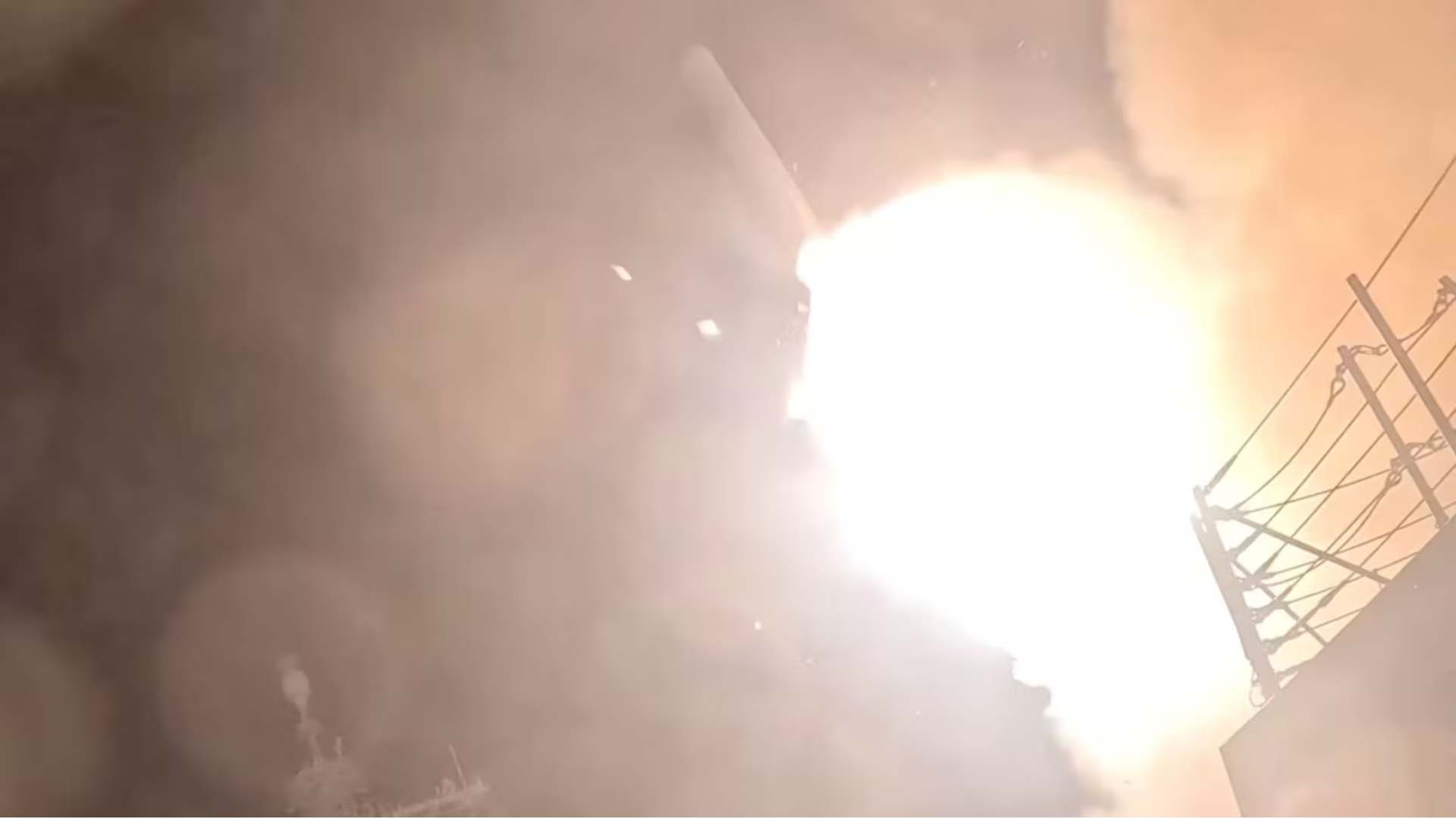
U.S. Renews Strikes on Iran After Two Military Personnel Killed in Iranian Attack
09:20 AM - 2026-07-19

PUK President: Safety of Our People is a Boundary that Cannot Be Crossed
08:47 PM - 2026-07-18
Most read
-
Argentina and Spain Battle for Football's Biggest Prize
World 01:25 PM - 2026-07-19 -
CENTCOM Releases Update on U.S. Troops Killed and Missing in Gulf Attacks
Kurdistan 10:51 PM - 2026-07-19 -
French Mediterranean Wildfire Spreads Rapidly, Prompting Evacuations
World 09:25 PM - 2026-07-19 -
Parliament Orders Dismissal of Naval Commanders After Kuwaiti Coast Guard Attack on Iraqi Fishermen
Iraq 04:31 PM - 2026-07-19 -
U.S. Renews Strikes on Iran After Two Military Personnel Killed in Iranian Attack
World 09:20 AM - 2026-07-19 -
The 19 July Revolution: How Rojava Reshaped Northern and Eastern Syria
Kurdistan 06:30 PM - 2026-07-19 -
Latif Nerwayi: President Bafel's Message Emphasised Unity to Overcome Challenges
P.U.K 07:58 PM - 2026-07-19 -
Report Records 36 Violations Against Journalists in Kurdistan Region During First Half of 2026
Kurdistan 11:35 AM - 2026-07-19
The News in your pocket
Download
 Application