

WHO Declares Ebola Outbreak in DR Congo and Uganda an International Public Health Emergency
World 09:10 AM - 2026-05-17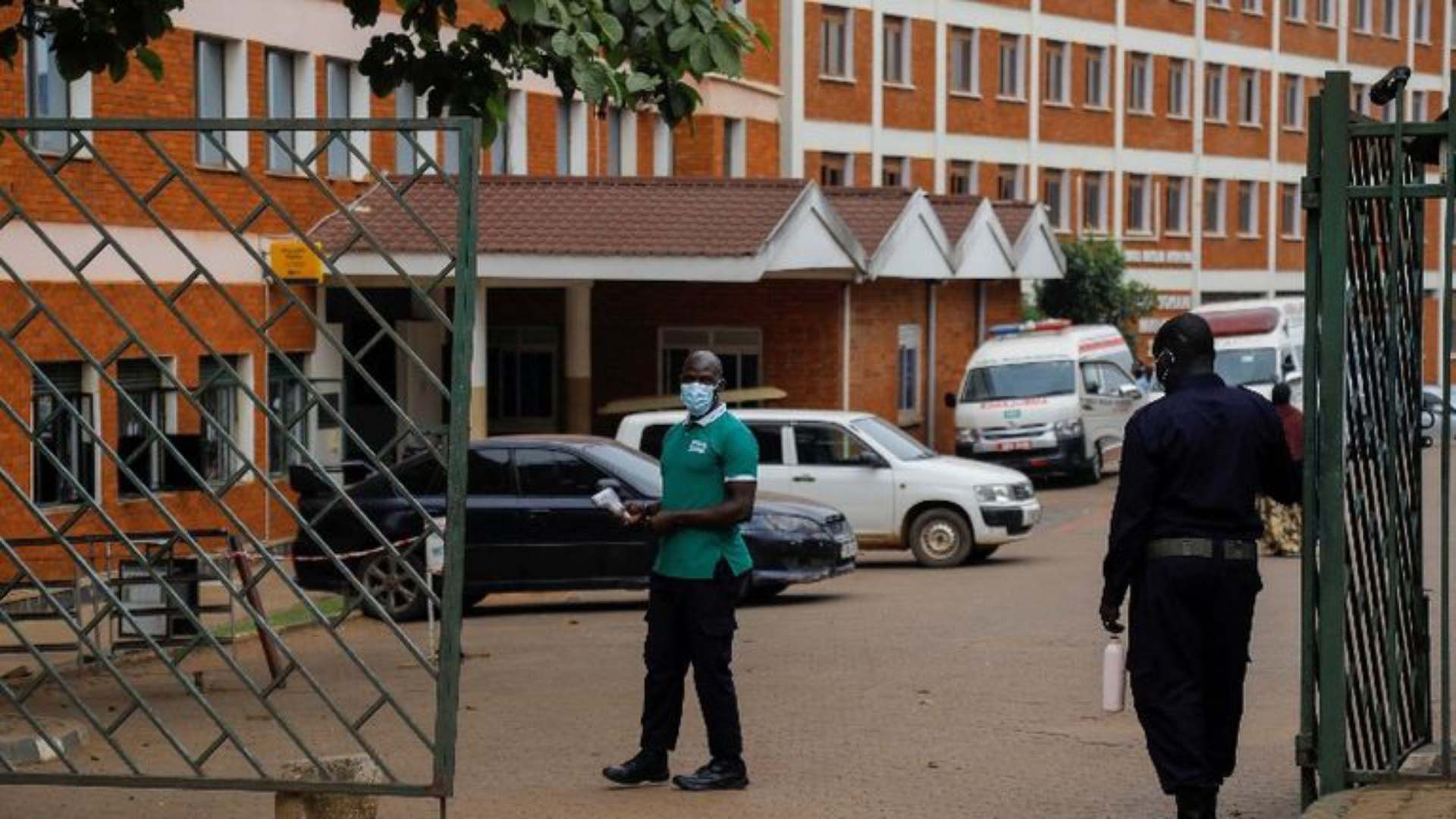 Reuters
WHO Declares Ebola Outbreak in DR Congo and Uganda an International Public Health Emergency.
The World Health Organization (WHO) on Sunday declared the Ebola outbreak in the Democratic Republic of Congo (DRC) and Uganda a “public health emergency of international concern”, warning of a heightened risk of cross-border transmission in neighbouring countries.
The WHO said the outbreak, caused by the Bundibugyo strain of the Ebola virus, does not currently meet the criteria for a global pandemic emergency. However, it cautioned that countries sharing land borders with the DRC remain at significant risk of further spread.
In a statement, the UN health agency said that, as of Saturday, authorities had recorded 80 suspected deaths, eight laboratory-confirmed cases and 246 suspected infections in DRC’s Ituri province. The outbreak has affected at least three health zones, including Bunia, Rwampara and Mongbwalu.
The DRC’s Ministry of Health had announced on Friday that 80 people were believed to have died in the latest outbreak in the country’s eastern region.
The outbreak - the 17th in the country since Ebola was first identified there in 1976 - could be much larger, given the high positivity rate of the initial samples and increasing number of suspected cases being reported, the WHO said.
The outbreak is "extraordinary" as there are no approved Bundibugyo virus-specific therapeutics or vaccines, unlike for Ebola-zaire strains, it said. All but one of the country's previous outbreaks were caused by the Zaire strain.
The DRC-Uganda outbreak poses a public health risk to other countries, with some cases of an international spread already documented, the agency said, advising countries to activate their national disaster and emergency-management mechanisms and undertake cross-border screening and screening at main internal roads.
In Uganda's capital, Kampala, two apparently unrelated laboratory-confirmed cases, including one death, were reported on Friday and Saturday, from people travelling from the DRC, the WHO said.
A laboratory-confirmed case was also reported in the DRC capital, Kinshasa, from a person returning from Ituri, the WHO said.
Bundibugyo virus-disease contacts or cases should not travel internationally, unless as part of a medical evacuation, the WHO said.
The agency advised immediately isolating confirmed cases and monitoring contacts daily, with restricted national travel and no international travel until 21 days after exposure.
At the same time, the WHO urged countries not to close their borders or restrict travel and trade out of fear, as this could lead to people and goods making informal border crossings that are not monitored.
The DRC’s dense tropical forests are considered a natural reservoir for the Ebola virus, where outbreaks have occurred periodically over recent decades.
The often-fatal disease causes symptoms including fever, severe body aches, vomiting and diarrhoea. According to the Africa Centres for Disease Control and Prevention (Africa CDC), the virus spreads through direct contact with the bodily fluids of infected individuals, contaminated materials, or the bodies of those who have died from the disease.
Source: Reuters
PUKMEDIA
More news
-
China Summons Philippine Ambassador Over South China Sea Incident
11:07 AM - 2026-07-21 -
French Parliament's Committee Approves Social Media Ban for Under-15s
10:13 AM - 2026-07-21 -
Crude Prices Slip Amid Mediation Push Following U.S.-Iran Attacks
09:08 AM - 2026-07-21 -
Flash Floods Kill 20 in Afghanistan, More Than 100 Reported Missing
11:16 PM - 2026-07-20
see more
.jpg)
Kurdistan 11:46 AM - 2026-07-21 Türkiye Begins Withdrawal from Military Base Near Afrin, Residents Told They Can Return Home
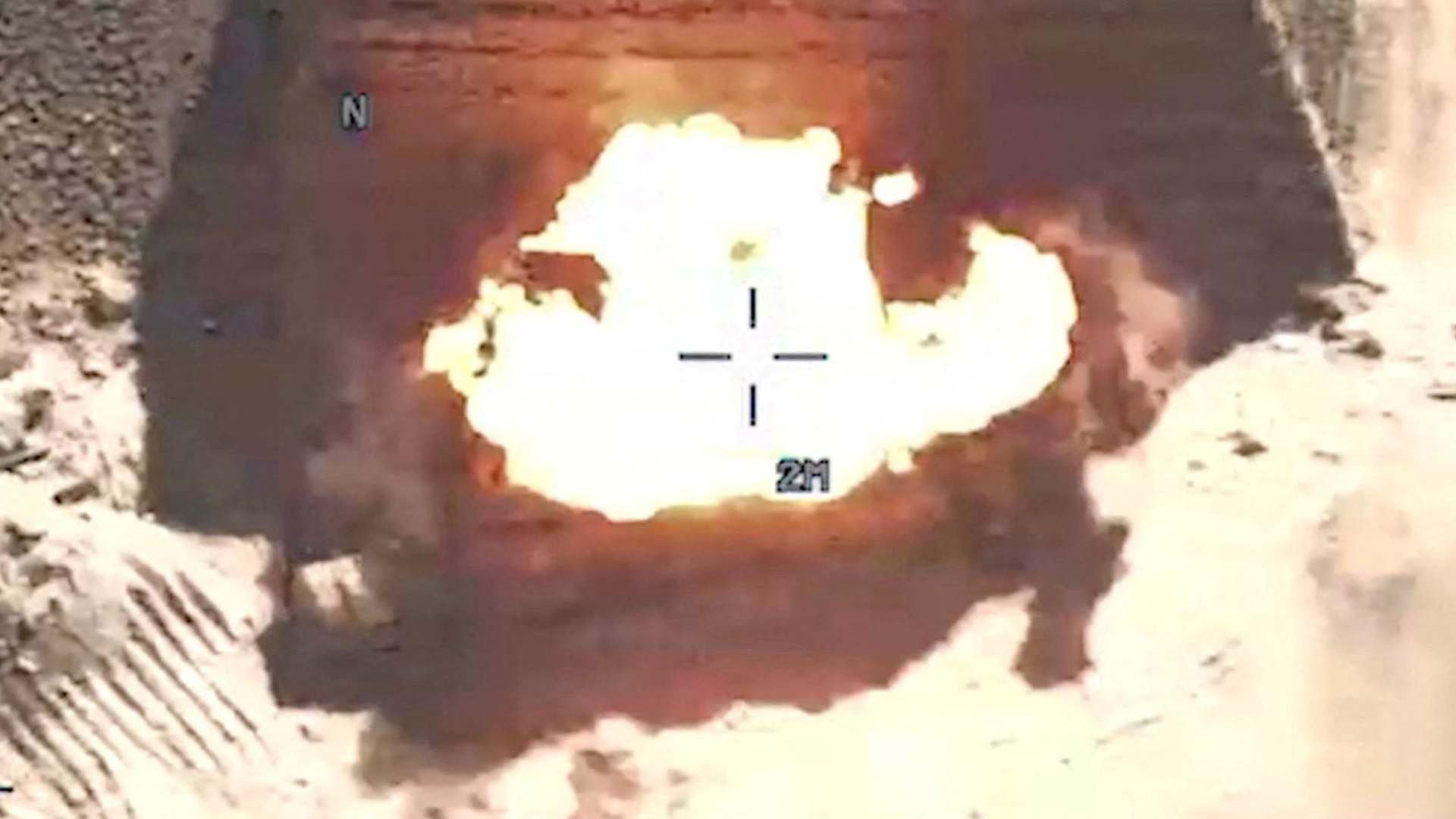
U.S. Military Launches 10th Consecutive Night of Strikes on Iran
09:17 AM - 2026-07-21

Darbaz Kosrat Rasul Praises French CG's Efforts to Strengthen Bilateral Relations
08:39 PM - 2026-07-20
.jpg)
Kremlin Says Rubio and Lavrov Talks at ASEAN Would Be Welcome
04:18 PM - 2026-07-20
.jpg)
Kurdistan Region Asayish Arrests Two Suspected ISIS Terrorists
10:57 AM - 2026-07-20
Most read
-
Ontario Wildfires Spread as Smoke Blankets Parts of the U.S.
World 10:17 PM - 2026-07-20 -
Hundreds Protest in Delhi Demanding Statehood for Indian Kashmir
World 02:40 PM - 2026-07-20 -
Kurdistan Region Asayish Arrests Two Suspected ISIS Terrorists
Kurdistan 10:57 AM - 2026-07-20 -
Yemen's Houthis Declare Naval Blockade Against Saudi Arabia
World 05:43 PM - 2026-07-20 -
U.S. Military Launches 10th Consecutive Night of Strikes on Iran
World 09:17 AM - 2026-07-21 -
Andy Burnham Becomes UK Prime Minister, Pledging to ‘Rewire Britain’
World 10:46 AM - 2026-07-20 -
Kremlin Says Rubio and Lavrov Talks at ASEAN Would Be Welcome
World 04:18 PM - 2026-07-20 -
Oil Surges Above $90 as Gold Declines Amid Rising Regional Tensions
News 10:17 AM - 2026-07-20
The News in your pocket
Download
 Application