

Kore Epic Revived Hope Among the People of Kurdistan
Kurdistan 10:04 AM - 2026-04-11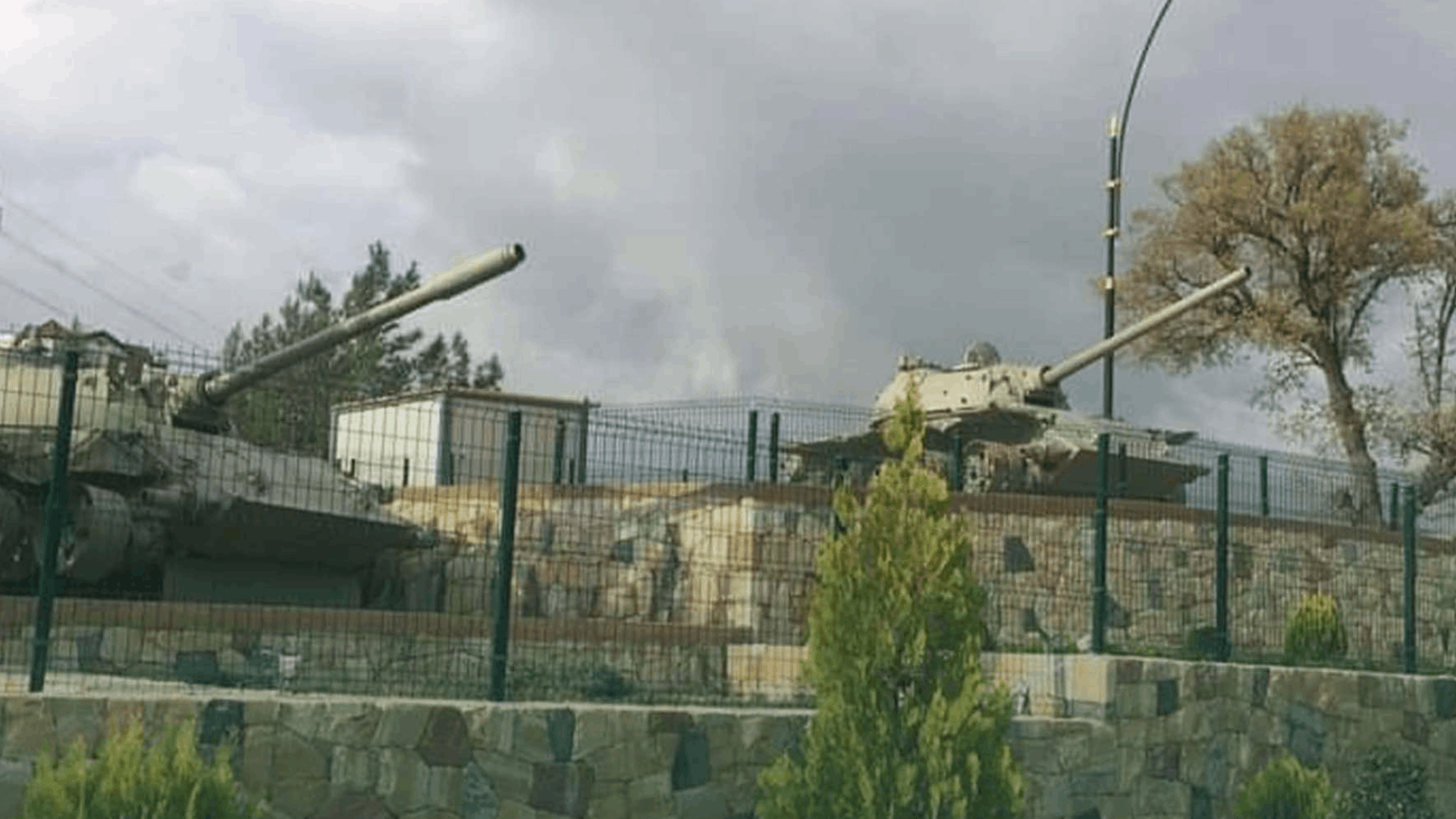 PUKMEDIA
Tanks of the fallen Ba'ath regime placed as symbols of their defeat in Kore.
Today, 11 April 2026, marks the 35th anniversary of the Battle of Kore Mountain, in which the Peshmerga forces of the Patriotic Union of Kurdistan (PUK) recorded a defining and historic victory.
PUK Peshmerga fighters stood firm against the army of the former Ba’ath regime, during which nine of their ranks were martyred.
Following the Kurdish people’s uprising in 1991 — led by the PUK and the late President Mam Jalal — this day came to symbolise a pivotal moment in the struggle against dictatorship. The uprising was organised according to a detailed plan, with widespread public support, aimed at overthrowing the regime and securing the liberation of Kurdistan.
On 7 April 1991, forces of the former regime launched aerial bombardments on the areas of Saladin and Mount Safeen in an attempt to halt the advance of the Peshmerga. However, Peshmerga forces, led by the martyr Hassan Kwestani, who directly oversaw operations on Kore Mountain, and Kosrat Rasul, who commanded the Shaqlawa front, succeeded in repelling the assault.
Intense fighting erupted in Kore and continued for 24 hours, ultimately ending in defeat for the regime’s forces. In the aftermath, the collapsed regime’s army proposed negotiations with the Kurdistan Front.
Veteran Peshmerga and eyewitness to the battle, Ibrahim Omar, told PUKMEDIA: “The heroic response of the Peshmerga restored hope to the people of Kurdistan. Mr Kosrat Rasul Ali supervised the course of the battle.”
He added: “The clashes in Kore resulted in the martyrdom of 11 Peshmerga fighters, nine of whom were from the PUK.”
“Thanks to the steadfast positions held by the PUK and the Kurdistan Toilers Party, we were able to resist the advance of the former regime’s forces. Not only did we prevent their progress, but we launched counter-attacks, liberated the mountain and inflicted a significant defeat on the enemy,” he said.
During the 1991 uprising, Kurdish forces succeeded in reaching and liberating Kirkuk during Newroz. However, as the balance of power shifted, the regime renewed its offensive and advanced towards Sulaymaniyah. At that critical time, Peshmerga forces — particularly those of the PUK — resisted efforts by the Ba’ath regime to reassert control over the region.
Two well-known epics, the Epic of Mount Azmar, which was led by Jabar Farman, and the Epic of Kore, which prevented the army of the former Iraqi regime from occupying the area and served as a buffer for the Kurdish people's safety, were documented by the PUK.
PUKMEDIA
More news
-
Flash Floods Kill 20 in Afghanistan, More Than 100 Reported Missing
11:16 PM - 2026-07-20 -
Ontario Wildfires Spread as Smoke Blankets Parts of the U.S.
10:17 PM - 2026-07-20 -
Yemen's Houthis Declare Naval Blockade Against Saudi Arabia
05:43 PM - 2026-07-20 -
Hundreds Protest in Delhi Demanding Statehood for Indian Kashmir
02:40 PM - 2026-07-20
see more
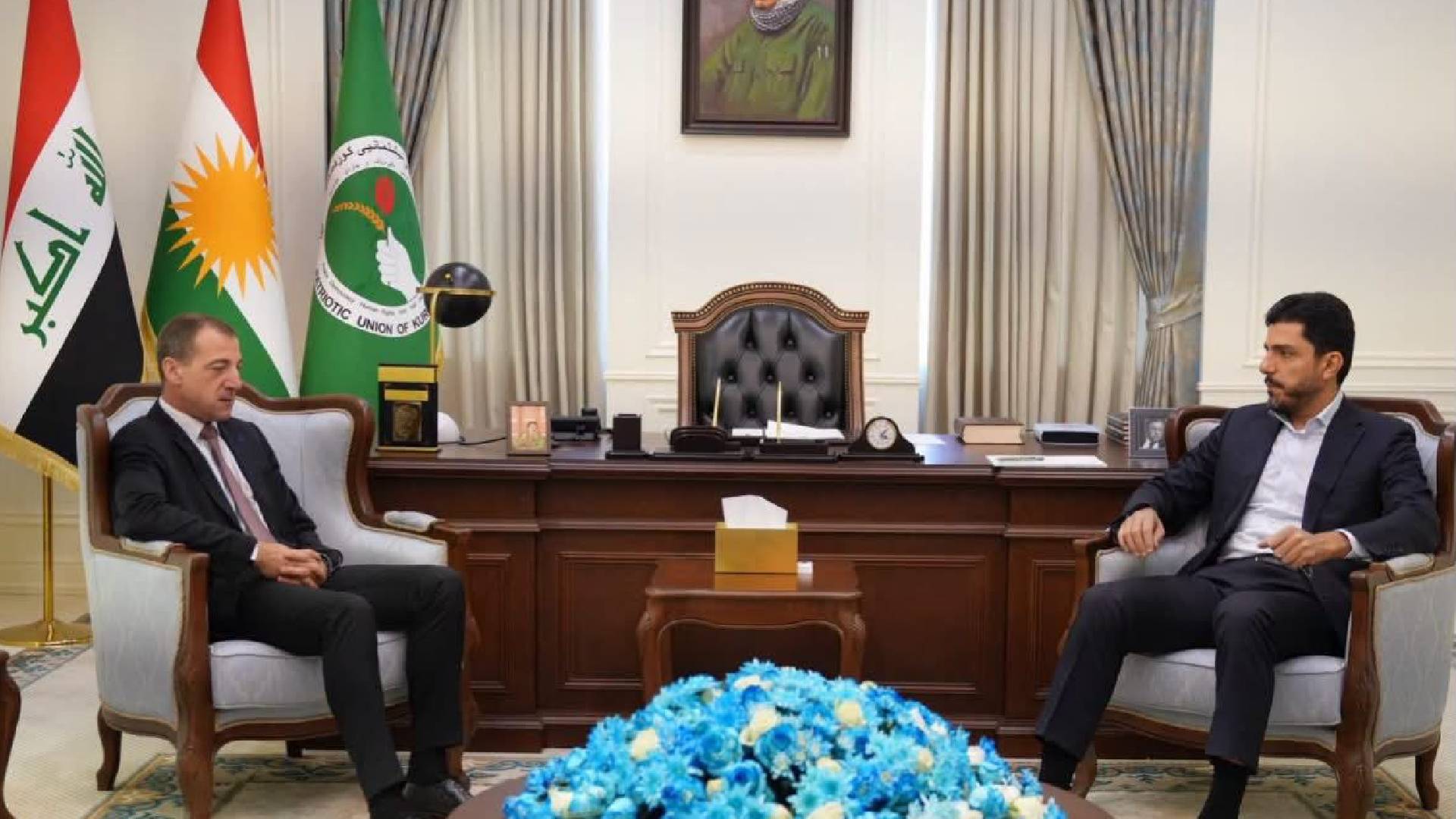
P.U.K 08:39 PM - 2026-07-20 Darbaz Kosrat Rasul Praises French CG's Efforts to Strengthen Bilateral Relations
.jpg)
Kremlin Says Rubio and Lavrov Talks at ASEAN Would Be Welcome
04:18 PM - 2026-07-20
.jpg)
Kurdistan Region Asayish Arrests Two Suspected ISIS Terrorists
10:57 AM - 2026-07-20
.jpg)
PUKMEDIA Releases Weekly Digital Newsletter- Issue 183
09:22 AM - 2026-07-20
Latif Nerwayi: President Bafel's Message Emphasised Unity to Overcome Challenges
07:58 PM - 2026-07-19
Most read
-
Ontario Wildfires Spread as Smoke Blankets Parts of the U.S.
World 10:17 PM - 2026-07-20 -
PUKMEDIA Releases Weekly Digital Newsletter- Issue 183
Kurdistan 09:22 AM - 2026-07-20 -
Hundreds Protest in Delhi Demanding Statehood for Indian Kashmir
World 02:40 PM - 2026-07-20 -
Kurdistan Region Asayish Arrests Two Suspected ISIS Terrorists
Kurdistan 10:57 AM - 2026-07-20 -
Yemen's Houthis Declare Naval Blockade Against Saudi Arabia
World 05:43 PM - 2026-07-20 -
Andy Burnham Becomes UK Prime Minister, Pledging to ‘Rewire Britain’
World 10:46 AM - 2026-07-20 -
Kremlin Says Rubio and Lavrov Talks at ASEAN Would Be Welcome
World 04:18 PM - 2026-07-20 -
Oil Surges Above $90 as Gold Declines Amid Rising Regional Tensions
News 10:17 AM - 2026-07-20
The News in your pocket
Download
 Application