

Vietnam’s Communist Party secures nearly 97% of National Assembly seats
World 09:16 AM - 2026-03-22 STR/AFP
Vietnam's Communist Party Secretary General To Lam casts his ballot at a voting station in Hanoi on 15 March 2026.
Vietnam’s Communist Party has secured almost 97% of the 500 seats in the National Assembly, according to official results released by the legislature on 22 March. The outcome reinforces the party’s political dominance following an election in which the vast majority of candidates were affiliated with the ruling party.
The party won 482 seats, broadly consistent with its representation in the outgoing parliament.
Authorities reported voter turnout of more than 99% in the five-yearly elections for both the National Assembly and local councils, maintaining a pattern seen in previous polls.
Although the unicameral parliament has limited capacity to challenge key party decisions—particularly on senior appointments—it has, on occasion, made amendments to draft legislation.
The National Assembly is set to convene its first session, expected to last several weeks, from 6 April. During this sitting, legislators are due to formally approve new state leaders nominated by the party, including the prime minister and the president.
To Lam, who was confirmed as general secretary at the party’s congress in January, is widely expected to be appointed president. His anticipated elevation would further align Vietnam’s political structure with that of neighbouring China, where Xi Jinping holds both the positions of general secretary of the Communist Party and state president.
Vietnam and China remain among the few countries governed by communist parties. Despite a history of mutual distrust and ongoing territorial disputes—particularly in the South China Sea—their ruling parties maintain officially close ties.
The election result comes at a time when Vietnam, like many nations, is dealing with the wider economic and geopolitical repercussions of the escalating crisis in the Middle East, including its impact on global trade, energy markets and regional stability.
Source: Reuters
PUKMEDIA
More news
-
China Summons Philippine Ambassador Over South China Sea Incident
11:07 AM - 2026-07-21 -
French Parliament's Committee Approves Social Media Ban for Under-15s
10:13 AM - 2026-07-21 -
Crude Prices Slip Amid Mediation Push Following U.S.-Iran Attacks
09:08 AM - 2026-07-21 -
Flash Floods Kill 20 in Afghanistan, More Than 100 Reported Missing
11:16 PM - 2026-07-20
see more
.jpg)
World 01:06 PM - 2026-07-21 Lebanese Army Deploys to Southern Town Following Israeli Withdrawal, Official Says
.jpg)
Türkiye Begins Withdrawal from Military Base Near Afrin, Residents Told They Can Return Home
11:46 AM - 2026-07-21
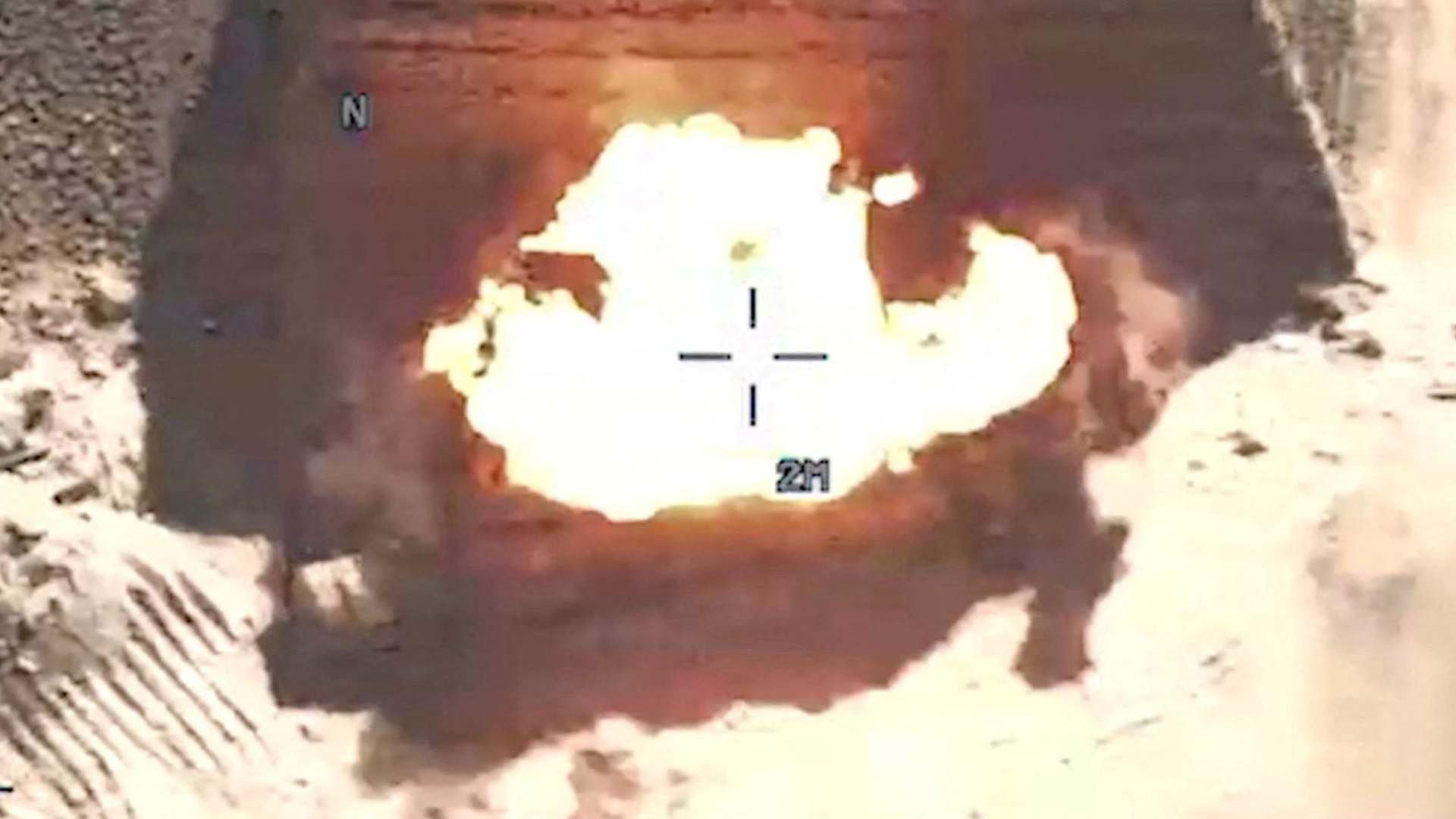
U.S. Military Launches 10th Consecutive Night of Strikes on Iran
09:17 AM - 2026-07-21
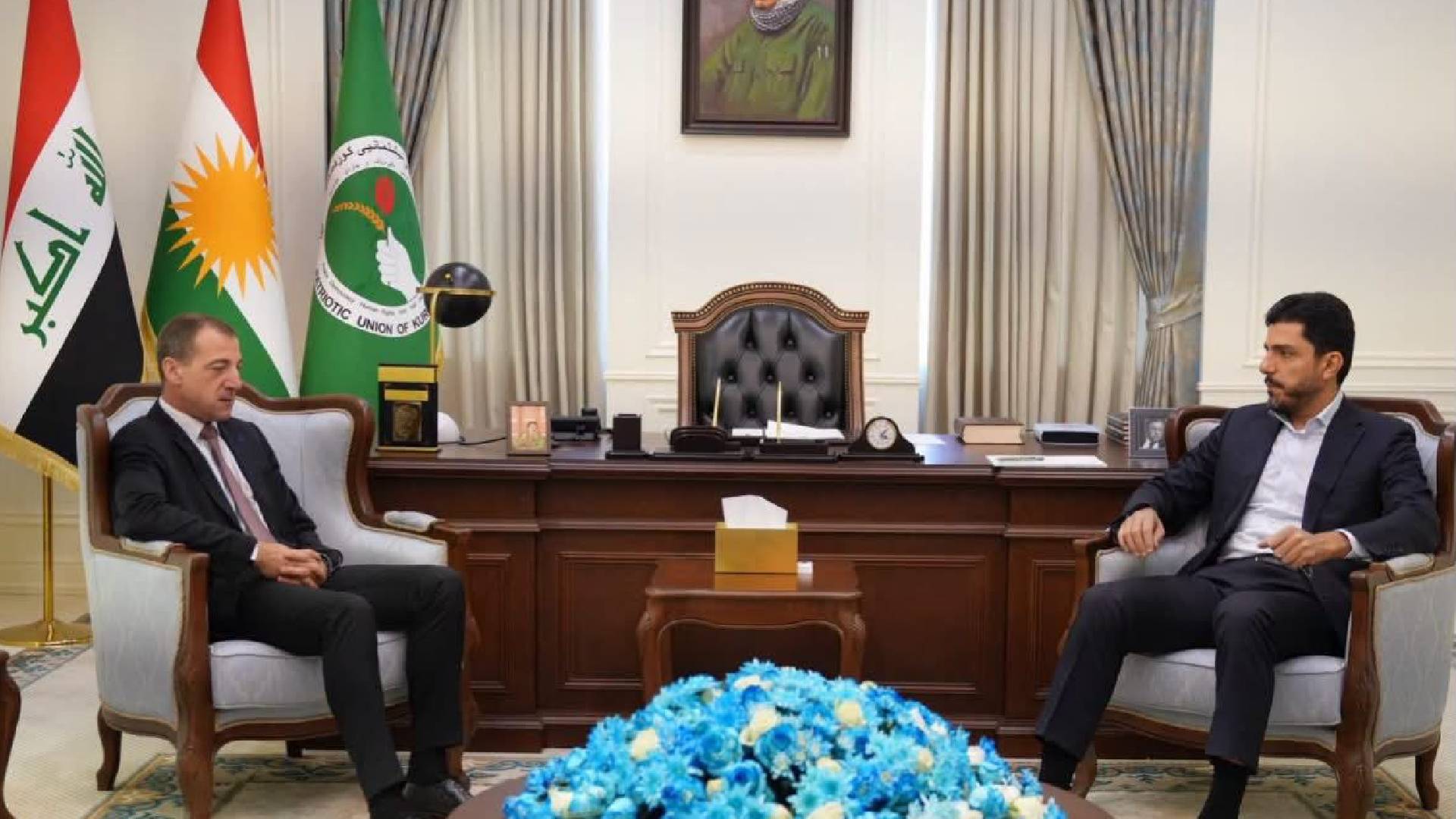
Darbaz Kosrat Rasul Praises French CG's Efforts to Strengthen Bilateral Relations
08:39 PM - 2026-07-20
.jpg)
Kremlin Says Rubio and Lavrov Talks at ASEAN Would Be Welcome
04:18 PM - 2026-07-20
Most read
-
Ontario Wildfires Spread as Smoke Blankets Parts of the U.S.
World 10:17 PM - 2026-07-20 -
Hundreds Protest in Delhi Demanding Statehood for Indian Kashmir
World 02:40 PM - 2026-07-20 -
Yemen's Houthis Declare Naval Blockade Against Saudi Arabia
World 05:43 PM - 2026-07-20 -
U.S. Military Launches 10th Consecutive Night of Strikes on Iran
World 09:17 AM - 2026-07-21 -
Kremlin Says Rubio and Lavrov Talks at ASEAN Would Be Welcome
World 04:18 PM - 2026-07-20 -
Türkiye Begins Withdrawal from Military Base Near Afrin, Residents Told They Can Return Home
Kurdistan 11:46 AM - 2026-07-21 -
Darbaz Kosrat Rasul Praises French CG's Efforts to Strengthen Bilateral Relations
P.U.K 08:39 PM - 2026-07-20 -
Flash Floods Kill 20 in Afghanistan, More Than 100 Reported Missing
World 11:16 PM - 2026-07-20
The News in your pocket
Download
 Application