

16 March Marks Anniversary of the Halabja Chemical Attack
Kurdistan 10:06 AM - 2026-03-16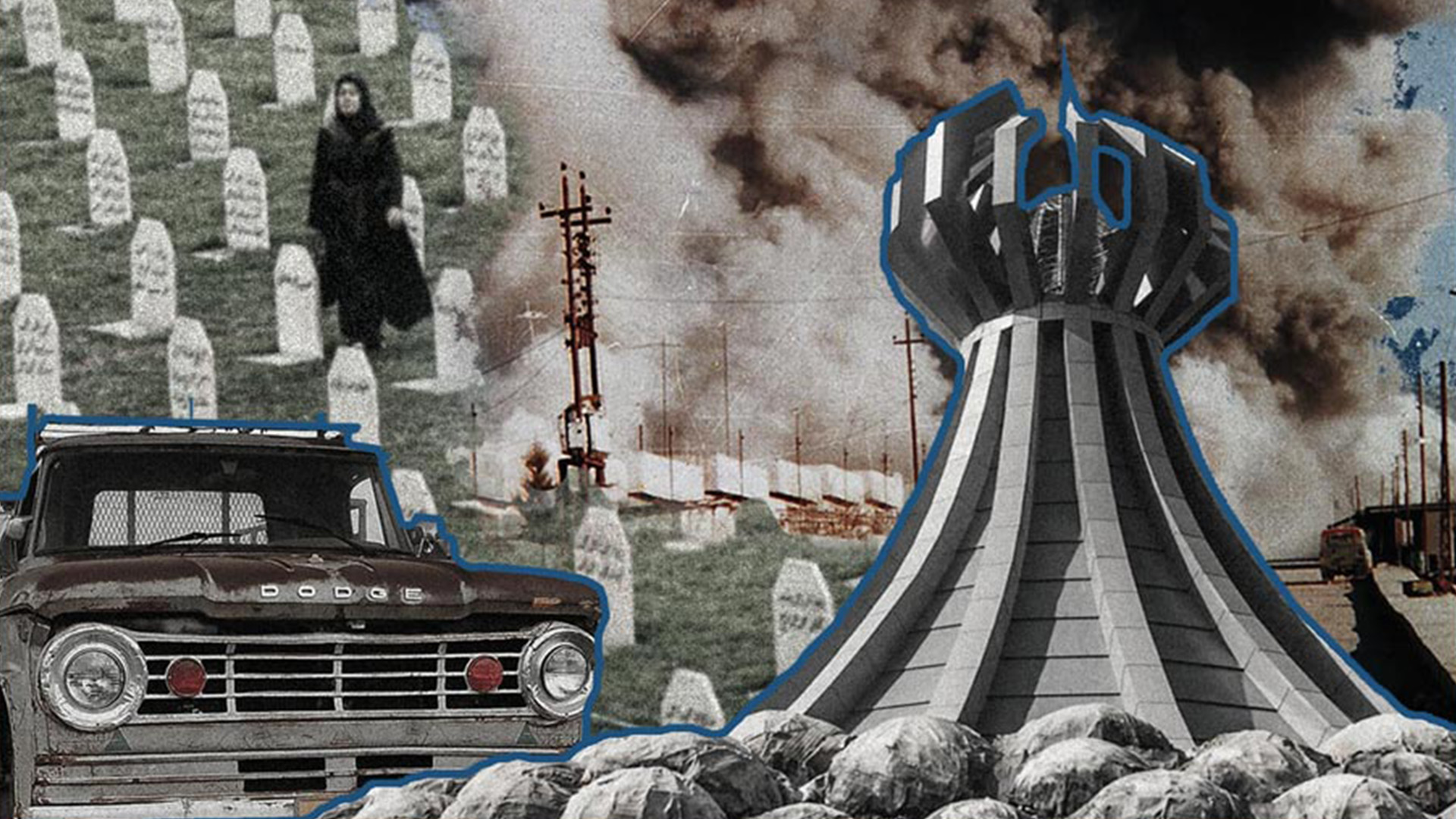 PUKMEDIA
16 March Marks Anniversary of the Halabja Chemical Attack.
Each year on 16 March, people across Kurdistan and Iraq commemorate the victims of the Halabja chemical attack, one of the most devastating atrocities committed against civilians in modern history.
On 16 March 1988, the city of Halabja was struck by a large-scale chemical weapons attack carried out by the regime of Saddam Hussein during the final phase of the Iran–Iraq War. Warplanes dropped toxic chemical agents over the city, killing around 5,000 civilians within hours and injuring thousands more. The victims included men, women, children and elderly residents who were unable to escape the poisonous gases.
The operation was carried out under the direct command of Ali Hassan al-Majid, widely known as “Chemical Ali”. Chemical weapons, including mustard gas and other deadly agents, were used in the attack, creating one of the most tragic humanitarian disasters in the region’s history.
In the aftermath of the bombardment, the streets and homes of Halabja were filled with the bodies of victims. Entire families were found lying together where they had fallen, while many mothers were discovered holding their children in their final moments. Survivors described scenes of devastation and suffering that left a lasting scar on the collective memory of the Kurdish people.
The attack on Halabja formed part of the broader Al-Anfal Campaign carried out by the Iraqi regime against the Kurdish population during the late 1980s. The campaign led to the destruction of thousands of villages and the deaths and displacement of large numbers of civilians.
Following the fall of the Iraqi regime in 2003, several officials responsible for crimes committed during that period were brought to trial. Among them was Ali Hassan al-Majid, who was convicted by the Iraqi High Criminal Court for his role in the Anfal campaign and the Halabja attack.
Today, Halabja stands as a symbol of both tragedy and resilience. Memorial ceremonies are held annually to honour the victims and to remember the suffering endured by the city and its people. Survivors and families of the victims continue to call for greater recognition, healthcare support and development for the area to address the long-term consequences of the attack.
PUKMEDIA
More news
-
Flash Floods Kill 20 in Afghanistan, More Than 100 Reported Missing
11:16 PM - 2026-07-20 -
Ontario Wildfires Spread as Smoke Blankets Parts of the U.S.
10:17 PM - 2026-07-20 -
Yemen's Houthis Declare Naval Blockade Against Saudi Arabia
05:43 PM - 2026-07-20 -
Hundreds Protest in Delhi Demanding Statehood for Indian Kashmir
02:40 PM - 2026-07-20
see more
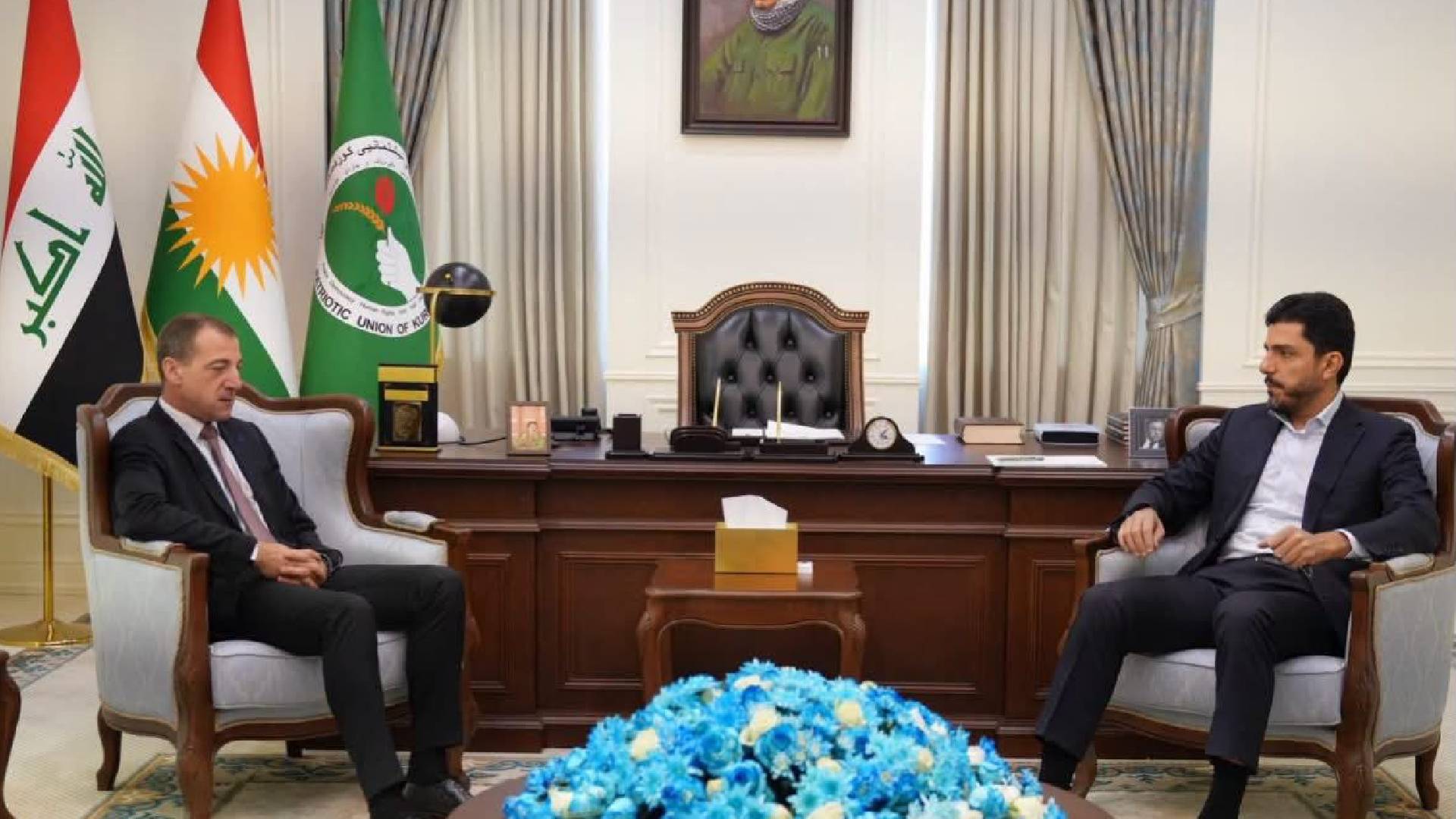
P.U.K 08:39 PM - 2026-07-20 Darbaz Kosrat Rasul Praises French CG's Efforts to Strengthen Bilateral Relations
.jpg)
Kremlin Says Rubio and Lavrov Talks at ASEAN Would Be Welcome
04:18 PM - 2026-07-20
.jpg)
Kurdistan Region Asayish Arrests Two Suspected ISIS Terrorists
10:57 AM - 2026-07-20
.jpg)
PUKMEDIA Releases Weekly Digital Newsletter- Issue 183
09:22 AM - 2026-07-20
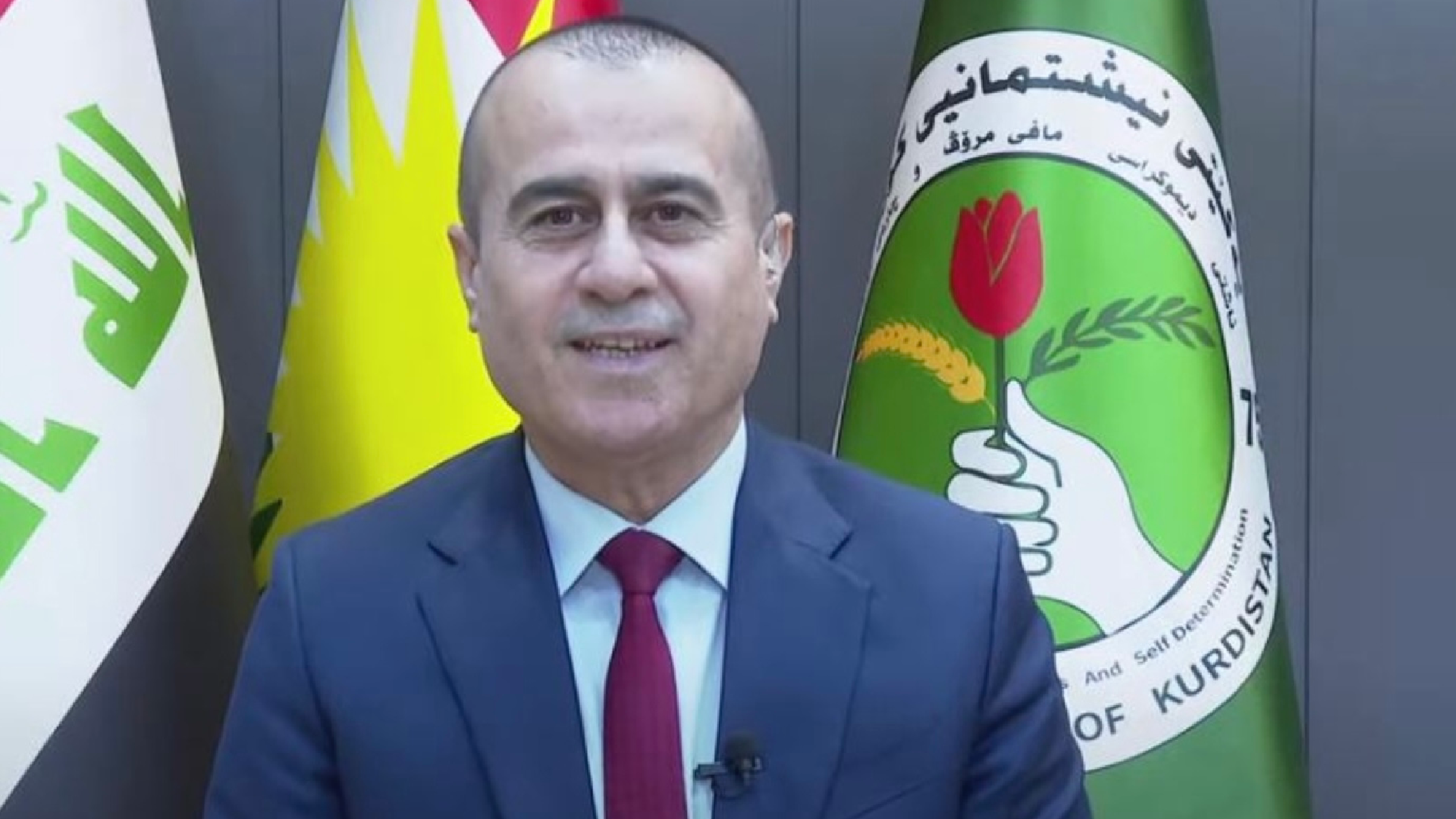
Latif Nerwayi: President Bafel's Message Emphasised Unity to Overcome Challenges
07:58 PM - 2026-07-19
Most read
-
Ontario Wildfires Spread as Smoke Blankets Parts of the U.S.
World 10:17 PM - 2026-07-20 -
PUKMEDIA Releases Weekly Digital Newsletter- Issue 183
Kurdistan 09:22 AM - 2026-07-20 -
Hundreds Protest in Delhi Demanding Statehood for Indian Kashmir
World 02:40 PM - 2026-07-20 -
Kurdistan Region Asayish Arrests Two Suspected ISIS Terrorists
Kurdistan 10:57 AM - 2026-07-20 -
Yemen's Houthis Declare Naval Blockade Against Saudi Arabia
World 05:43 PM - 2026-07-20 -
Andy Burnham Becomes UK Prime Minister, Pledging to ‘Rewire Britain’
World 10:46 AM - 2026-07-20 -
Kremlin Says Rubio and Lavrov Talks at ASEAN Would Be Welcome
World 04:18 PM - 2026-07-20 -
Oil Surges Above $90 as Gold Declines Amid Rising Regional Tensions
News 10:17 AM - 2026-07-20
The News in your pocket
Download
 Application