
.png)
The Black Day of 6 September 1930: Sulaymaniyah’s Struggle for Kurdish Rights
Kurdistan 10:33 AM - 2025-09-06.jpg) PUKMEDIA
PUKMEDIA
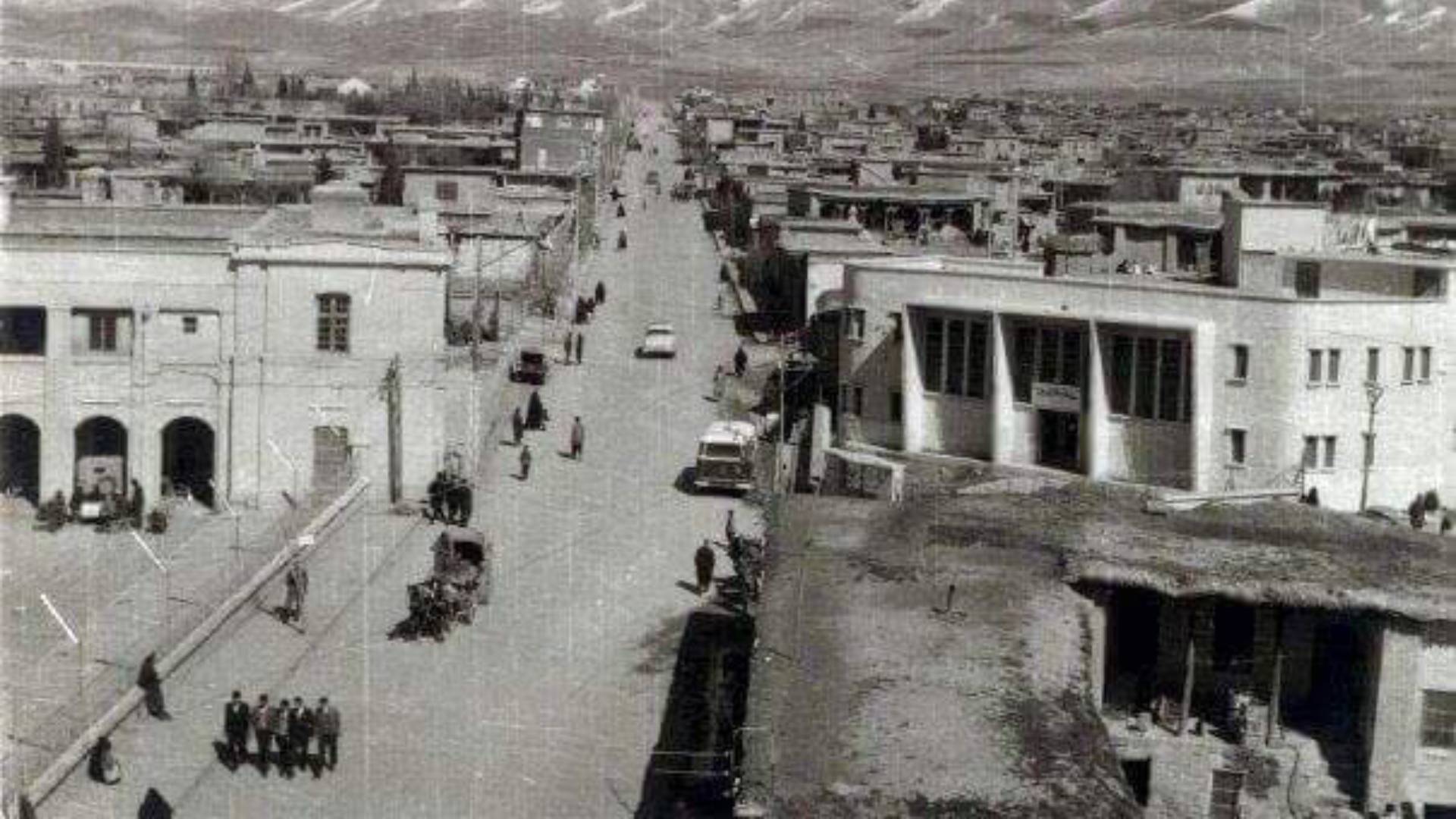
Photo from the 6 September 1930 Uprising in Sulaymaniyah.
In the late 1920s and early 1930s, Kurdish representatives in Iraq intensified their efforts to secure recognition of Kurdish rights, only to be met with repeated neglect by both Baghdad and London.
In April 1929, six Kurdish members of the Iraqi parliament submitted a memorandum to the prime minister, outlining demands for greater administrative and cultural rights in Kurdistan. A year later, in early 1930, Kurdish representatives presented a further report to Iraq, though it was dismissed without action. In March of the same year, the same board delivered another memorandum to the Iraqi prime minister, calling for the implementation of League of Nations decisions.
The Kurdish demands were clear and specific:
- Formation of a new military brigade headquartered in Duhok.
- Establishment of a Kurdistan Education Directorate under Kurdish leadership.
- Unification of the administration of the four brigades of Sulaymaniyah, Kirkuk, Erbil and Duhok.
- Allocation of a dedicated budget for Kurdistan.
These proposals provoked strong opposition from Arab nationalists, particularly from Yassin al-Hashimi, leader of the People’s Party, who viewed Kurdish aspirations as a challenge to Iraq’s Arab identity.
At the same time, rumours circulated of negotiations between the Iraqi government and Britain on a new treaty, which would terminate British mandate rule and pave the way for Iraq’s admission to the League of Nations. The treaty, signed on 30 June 1930, made no reference to the Kurds or their rights. This omission triggered widespread anger in Kurdistan, with a flood of petitions, complaints and letters directed to the Iraqi prime minister and to Britain’s representative in Iraq, Sir Francis Humphrys. Many Kurdish voices went further, openly demanding the creation of an independent Kurdish government under the auspices of the League of Nations.
The discontent reached a climax on 10 August 1930, when large crowds gathered in Sulaymaniyah to welcome a joint delegation of the Iraqi prime minister and the British representative. The demonstrators reiterated their demand for Kurdish independence under British auspices. Addressing the assembly, the prime minister delivered a conciliatory speech, followed by a statement from the British envoy. Yet when the prime minister spoke again, promising that Kurdish grievances would be taken into account, the audience’s representative responded sharply, insisting that an independent Kurdish government be recognised and explicitly included in the provisions of the 1930 Anglo–Iraqi Treaty.
The rejection of Kurdish demands during this pivotal period marked a turning point, consolidating Kurdish unity and reinforcing calls for self-determination in the face of political marginalisation by both Baghdad and London.
Remembering the Victims of 6 September 1930
Today marks the 95th anniversary of the Sulaymaniyah Uprising of 6 September 1930, when the Kurdish people rose in protest against the Iraqi government’s failure to honour its promises on Kurdish rights.
The peaceful demonstration was met with violence. The authorities of the time, representing a fascist government, responded with weapons, killing dozens, injuring hundreds, and imprisoning many others.
On 6 September 1930, the city of Sulaymaniyah witnessed one of the most significant uprisings in Kurdish modern history. The protest erupted at Sulaymaniyah's Bardarki Sara area after Kurdish citizens voiced their rejection of the Iraqi government’s failure to ensure genuine representation for Sulaymaniyah in the Iraqi parliament, and the continued disregard for Kurdish rights in the 1930 Anglo–Iraqi Treaty.
The demonstrators chanted slogans denouncing the Iraqi authorities, demanding justice and recognition of Kurdish national rights. The government’s response was brutal: Iraqi forces opened fire on the crowd, killing around 45 civilians, injuring 195 others, and arresting hundreds, including the renowned poet Bekas. The day became etched into Kurdish memory as the “Black Day of 6 September”.
This tragic episode is one of many in a long history of oppression endured by the Kurdish people. For more than a century, Kurds have been subjected to marginalisation, broken promises and brutal repression by occupying powers and successive Iraqi governments.
Whenever the Kurdish people raised their voices in pursuit of their most basic rights, they were met with empty promises designed to pacify their demands. When those promises failed, violence followed—massacres, imprisonment, and the silencing of Kurdish aspirations for freedom and dignity.
The Sulaymaniyah demonstration of 1930 stands as a symbol of both Kurdish resistance and sacrifice, reminding us that the struggle for Kurdish rights has been marked by repeated betrayals and bloodshed. It remains a powerful testimony to the resilience of a people determined to achieve justice and self-determination.
PUKMEDIA
More news
-
Kurdish FIDE Master Secures Win at Asian Chess Championship
06:19 PM - 2026-06-04 -
Trump Dismisses House Vote Seeking to Limit War Powers Over Iran
05:33 PM - 2026-06-04 -
Reports Outline Proposed US–Iran Interim Deal as Trump Signals Progress
09:57 AM - 2026-06-04 -
Amedspor Appoints Kazakhstani-Kurdish Businesswoman to Board of Directors
11:27 PM - 2026-06-03
see more
Iraq 07:52 PM - 2026-06-04 Iraqi PM Highlights Cooperation with Private Sector in Energy Policy Meeting
President Amedi Discusses Stronger Ties with Japan and Norway
05:45 PM - 2026-06-04
.jpg)
PUK's Salar Mahmoud Holds High-Level Meetings at European Parliament on Kurdish Issue
01:53 PM - 2026-06-04
AJet to Resume Flights Between Istanbul and Sulaymaniyah
11:13 PM - 2026-06-03
Iraqi PM Directs Resumption of Oil Operations in Kurdistan Region
05:38 PM - 2026-06-03
Most read
-
Iraqi PM Directs Resumption of Oil Operations in Kurdistan Region
Kurdistan 05:38 PM - 2026-06-03 -
AJet to Resume Flights Between Istanbul and Sulaymaniyah
Kurdistan 11:13 PM - 2026-06-03 -
Amedspor Appoints Kazakhstani-Kurdish Businesswoman to Board of Directors
Kurdistan 11:27 PM - 2026-06-03 -
Reports Outline Proposed US–Iran Interim Deal as Trump Signals Progress
World 09:57 AM - 2026-06-04 -
PUK's Salar Mahmoud Holds High-Level Meetings at European Parliament on Kurdish Issue
World 01:53 PM - 2026-06-04 -
Kurdish FIDE Master Secures Win at Asian Chess Championship
Kurdistan 06:19 PM - 2026-06-04 -
Trump Dismisses House Vote Seeking to Limit War Powers Over Iran
World 05:33 PM - 2026-06-04 -
President Amedi Discusses Stronger Ties with Japan and Norway
Iraq 05:45 PM - 2026-06-04
The News in your pocket
Download
 Application