

Archaeologists Find New Evidence of Ancient Slave Labor in Iraq
multimedia 09:45 PM - 2025-06-02 AP
AP
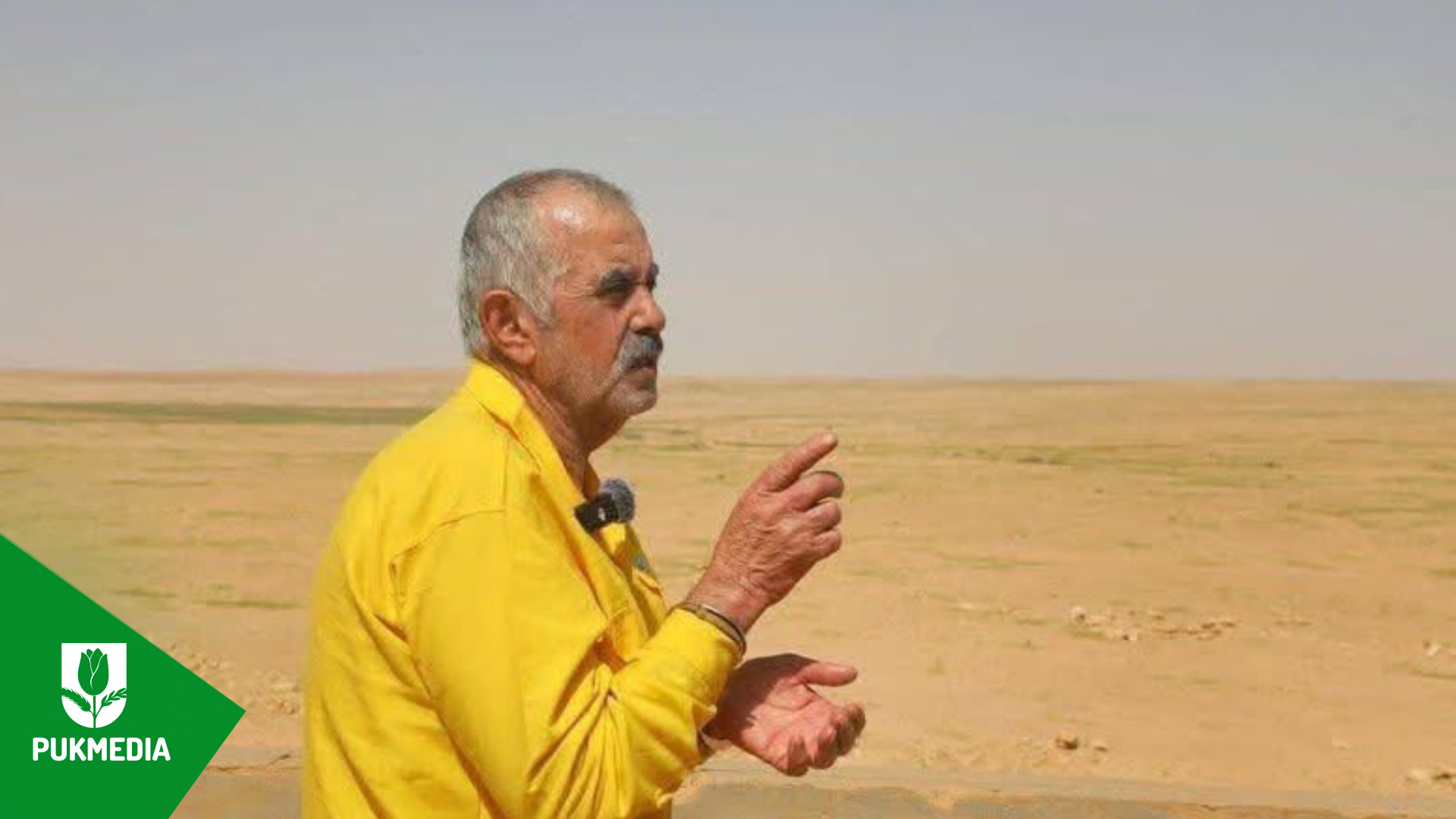
Archaeologists at an archaeological site where researchers uncovered massive earthen structures, bel
A system of thousands of ridges and canals across a floodplain in southern Iraq has long been believed to be the remnant of a massive agricultural system built by slave labor, the Associated Press (AP) reported on Monday, 2 June 2025.
Now an international team of archaeologists has found new evidence to support the theory, according to the report.
The AP report further noted that the team undertook testing to determine the construction dates of some of the massive earthen structures and found that they spanned several centuries, beginning around the time of a famous slave rebellion in the 9th century A.D. The research findings were published Monday in the journal Antiquity.
It added that enslaved people from that era are known today as the “Zanj,” a medieval Arabic term for the East African Swahili coast, although there are different theories about where in Africa most of them actually came from.
According to the report, the Zanj people carried out a large-scale revolt in Iraq in 869 AD under the Abbasid state, known today as the “Zanj rebellion.” The rebellion lasted for more than a decade until the Abbasid state regained control of the region in 883 A.D.
Many descendants of those enslaved people now live in the southern port city of Basra in modern-day Iraq, the report noted.
While they are part of the fabric of modern-day Iraq, “their history has not been actually written or documented very well in our history,” AP quoted Jaafar Jotheri, a professor of archaeology at the University of Al-Qadisiyah in Iraq, who was part of the research team. Researchers from Durham and Newcastle universities in the U.K., Radboud University in the Netherlands, and the University of Basra in Iraq also took part.
“So that’s why this (finding) is very important, and what is next actually is to protect at least some of these huge structures for future work. It is minority heritage,” he said.
The researchers first reviewed recent satellite imagery and older images from the 1960s showing the remains of more than 7,000 massive manmade ridges across the Shaṭṭ al-Arab floodplain, the AP report said.
The size and scale of the network indicate the “investment of human labour on a grand scale,” the report in Antiquity said. Sites were selected across the system to be analyzed with radiocarbon and optically stimulated luminescence dating.
According to the AP report, all four of the ridge crests sampled date to the period between the late ninth to mid-13th century A.D., situating their construction during the period when slave labor was in use in the area — and providing evidence that the use of slave labor likely continued for several centuries after the famous rebellion.
Their findings demonstrate “that these features were in use for a substantially longer period than previously assumed and, as such, they represent an important piece of Iraqi landscape heritage,” the researchers wrote.
The AP report further stated that the finding comes at the time of a resurgence of archaeology in Iraq, a country often referred to as the “cradle of civilisation,” but where archaeological exploration has been stunted by decades of conflict that halted excavations and led to the looting of tens of thousands of artifacts. In recent years, the digs have returned and thousands of stolen artifacts have been repatriated.
PUKMEDIA

More news
-
Iraqi Parliament to Resume Sessions Next Week
11:47 AM - 2026-07-02 -
Oil prices fall as Middle East supply concerns ease
10:43 AM - 2026-07-02 -
Vance Says US Seeks Verifiable Commitments on Iran's Nuclear Programme
09:43 AM - 2026-07-01 -
Oil Prices Rise as US-Iran Peace Talks Face Fresh Uncertainty
09:30 AM - 2026-07-01
see more
Kurdistan 01:05 PM - 2026-07-02 Iraqi Court of Cassation Upholds Death Sentence for Anfal Genocide Convict Ajaj al-Tikriti

Doha Talks Between US and Iran Show Positive Progress, Qatar Says
10:24 AM - 2026-07-02

PUK President Reaffirms Support for Peace Process During Talks With MIT Chief
10:03 PM - 2026-07-01
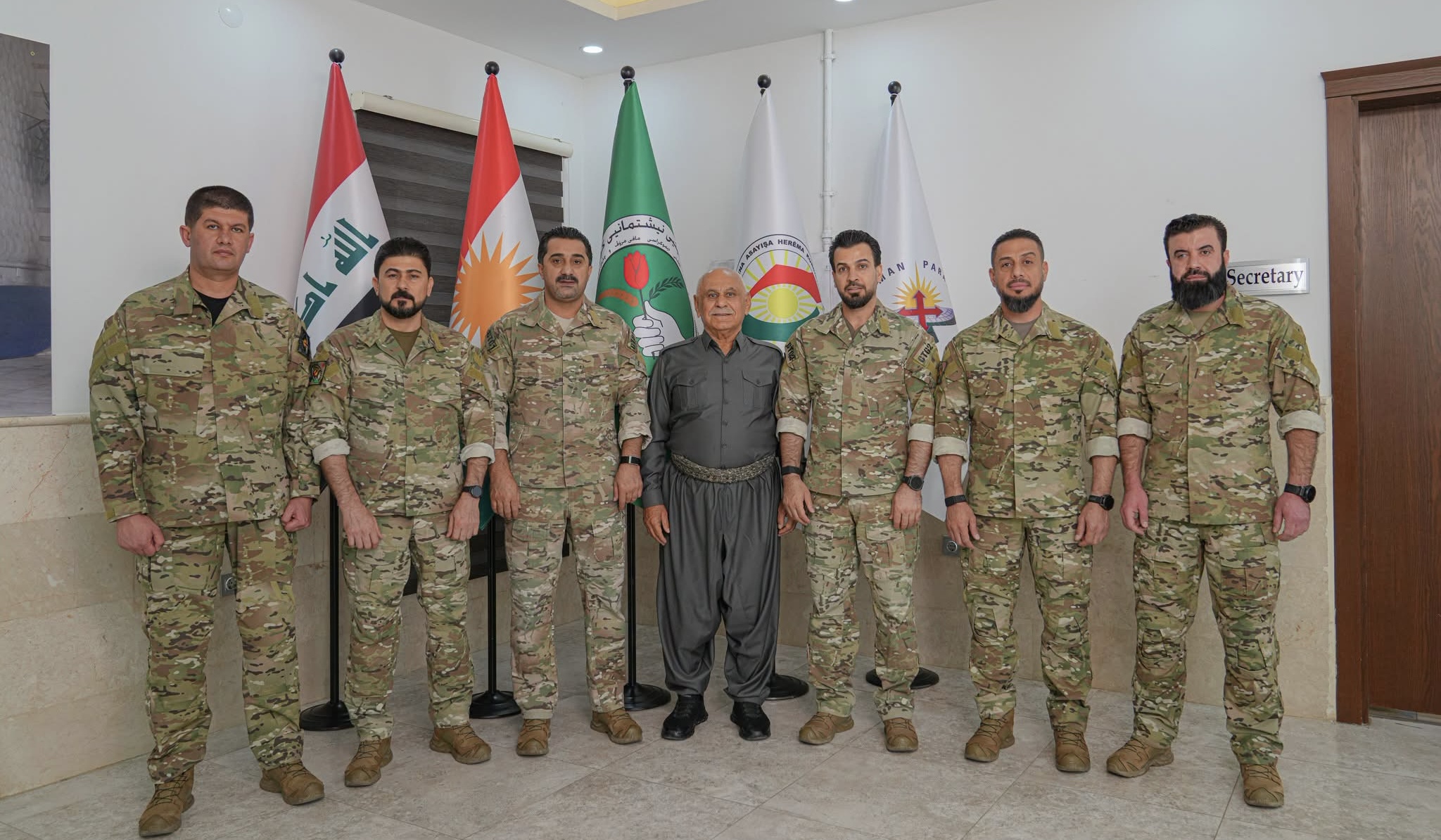
Sheikh Jaafar Commends Counter-Terrorism Forces During Official Visit
09:24 PM - 2026-07-01

President Bafel: Major General Ayub Yusuf’s Service Is a Source of Pride
07:20 PM - 2026-07-01
Most read
-
PUK President Reaffirms Support for Peace Process During Talks With MIT Chief
P.U.K 10:03 PM - 2026-07-01 -
President Bafel: Major General Ayub Yusuf’s Service Is a Source of Pride
P.U.K 07:20 PM - 2026-07-01 -
Asset Recovery Bill Tops Parliament’s Agenda as Iraq Steps Up Anti-Corruption Drive
Iraq 04:47 PM - 2026-07-01 -
Sheikh Jaafar Commends Counter-Terrorism Forces During Official Visit
Kurdistan 09:24 PM - 2026-07-01 -
US and Iran Hold Indirect Technical Talks in Doha as Diplomatic Efforts Continue
World 11:20 AM - 2026-07-01 -
Doha Talks Between US and Iran Show Positive Progress, Qatar Says
World 10:24 AM - 2026-07-02 -
Oil prices fall as Middle East supply concerns ease
News 10:43 AM - 2026-07-02 -
Iraqi Court of Cassation Upholds Death Sentence for Anfal Genocide Convict Ajaj al-Tikriti
Kurdistan 01:05 PM - 2026-07-02
The News in your pocket
Download
 Application